

















Updated October 2026 · For event planners, venues and construction teams
Events, meetings, pop-ups and construction sites all need internet that is fast to set up and reliable from the first minute, often in places that have no service at all. Temporary Wi-Fi solves that with portable connections and networks designed for the crowd you expect.
This guide covers the options, how to plan and what to ask a provider.
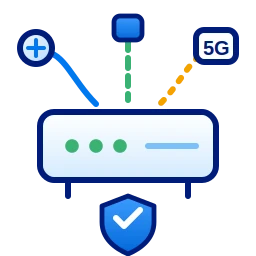
- Temporary internet can use 5G, fixed wireless, Starlink or existing fiber.
- Plan capacity for peak attendance, not average use.
- Separate networks for payments, staff and guests protect critical systems.
- On-site support during the event makes the difference.
Temporary Internet Options
| Option | Best for | Setup |
|---|---|---|
| 5G / LTE kits | Small events, pop-ups, trailers | Same day |
| Fixed wireless | Large events, long-term sites | Days |
| Starlink | Remote or rural locations | Days |
| Existing fiber | Venues with service | Varies |

Planning Event Wi-Fi
- Estimate attendance and how many devices each person carries.
- List what must stay online: ticketing, card readers, stage and streams.
- Map the space and decide where access points go.
- Plan separate networks for guests, staff and payments.
- Arrange on-site or on-call support for the full event.
How Much Capacity Do You Need?
A small meeting may need only 50 to 100 Mbps. Conferences with live streaming, festivals and sporting events can need gigabit-class connections and dozens of access points. The number of simultaneous users matters more than total attendance, and live streams need dedicated upload capacity.
Internet for Job Sites
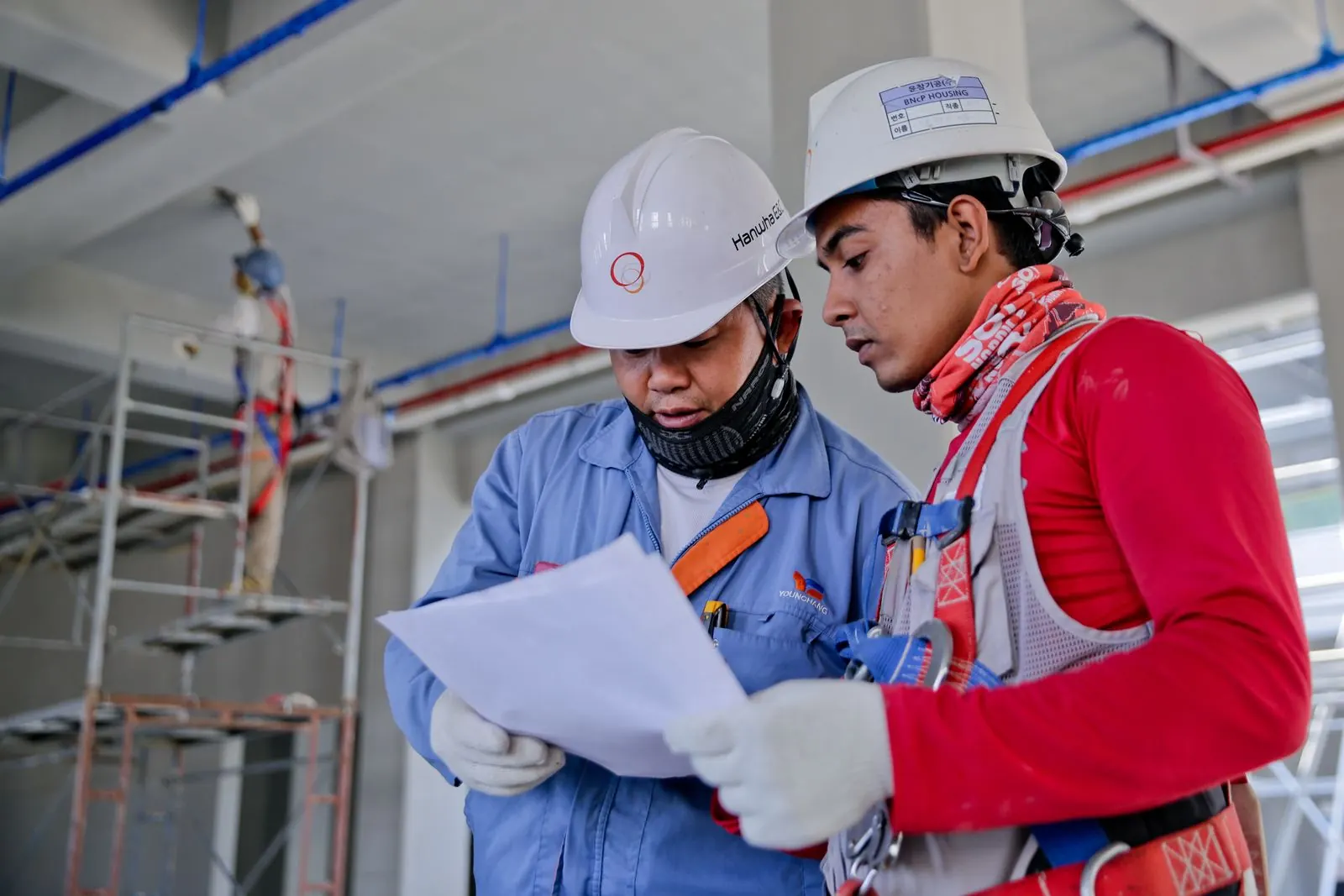
Construction teams need internet for plans, email, video calls and cameras long before permanent service arrives. A 5G kit or fixed wireless link can connect a trailer within days, and security cameras with time-lapse video can be added on the same connection. When the building opens, the service can become permanent.
Proven at Detroit’s Biggest Events
Cronus helped keep fans, media and vendors connected at the 2024 NFL Draft in downtown Detroit, planning coverage venue by venue and keeping Wi-Fi stable through huge traffic surges. Read the NFL Draft case study.
Keeping Payments and Ticketing Online
At most events, the most important devices are not on the guest Wi-Fi at all. Card readers, ticket scanners and vendor systems should run on their own secure network with guaranteed bandwidth, so a crowd streaming videos never slows down sales. Planning that separation is one of the biggest differences between amateur and professional event networks.
What to Ask an Event Wi-Fi Provider
- How do you size the network for our expected attendance?
- How will payments and staff be separated from guest Wi-Fi?
- Who is on site during the event, and how fast do they respond?
- What is the backup if the main connection fails?
- When do you set up, test and take down equipment?
Temporary Internet From Cronus
Cronus provides temporary internet and event Wi-Fi using 5G SD-WAN, fixed wireless and Starlink, with on-site support and take-down when you are done.
Plan internet for your event or site
Share your dates and location and we will put together a plan.
Frequently Asked Questions
How quickly can temporary Wi-Fi be set up?
Small 5G setups can be ready the same day. Larger events are usually planned a few weeks ahead, though deployment can often happen within days.
How much does temporary internet cost?
It depends on duration, location, attendance and equipment. A provider can quote once dates and requirements are known.
Can temporary internet handle a large crowd?
Yes, if the network is designed for the expected number of simultaneous users with enough access points and bandwidth.
Can temporary service become permanent?
Yes. Job sites and pop-ups often move to permanent fixed wireless or fiber with the same provider.