





When researching internet providers for business in Detroit, companies often face confusion between Ethernet and standard internet services. Understanding the fundamental differences between these connectivity options is crucial for making informed decisions that align with your organization’s performance requirements and budget constraints. This guide breaks down both technologies to help Detroit businesses select the optimal solution for their operational needs.
Understanding Business Connectivity Types
Business connectivity solutions fall into two primary categories: dedicated Ethernet services and internet services. While both provide network connectivity, they differ significantly in architecture, performance guarantees, and cost structures. Ethernet services utilize private network infrastructure with dedicated bandwidth, while Internet services typically share bandwidth across multiple users. Detroit businesses must evaluate their specific requirements for reliability, speed, consistency, and security when comparing these options.
The choice between Ethernet and internet connectivity impacts daily operations, from cloud application performance to video conferencing quality. Companies handling sensitive data transmissions or requiring guaranteed uptime often benefit from dedicated solutions, while organizations with standard web browsing and email needs may find shared internet services sufficient and cost-effective.
Dedicated Ethernet Services
Dedicated Ethernet provides private network connections with guaranteed bandwidth and service level agreements. These services deliver symmetrical speeds, meaning upload and download rates match exactly—a critical feature for businesses using cloud-based applications, hosting servers, or transferring large files regularly.
Point-to-Point Ethernet
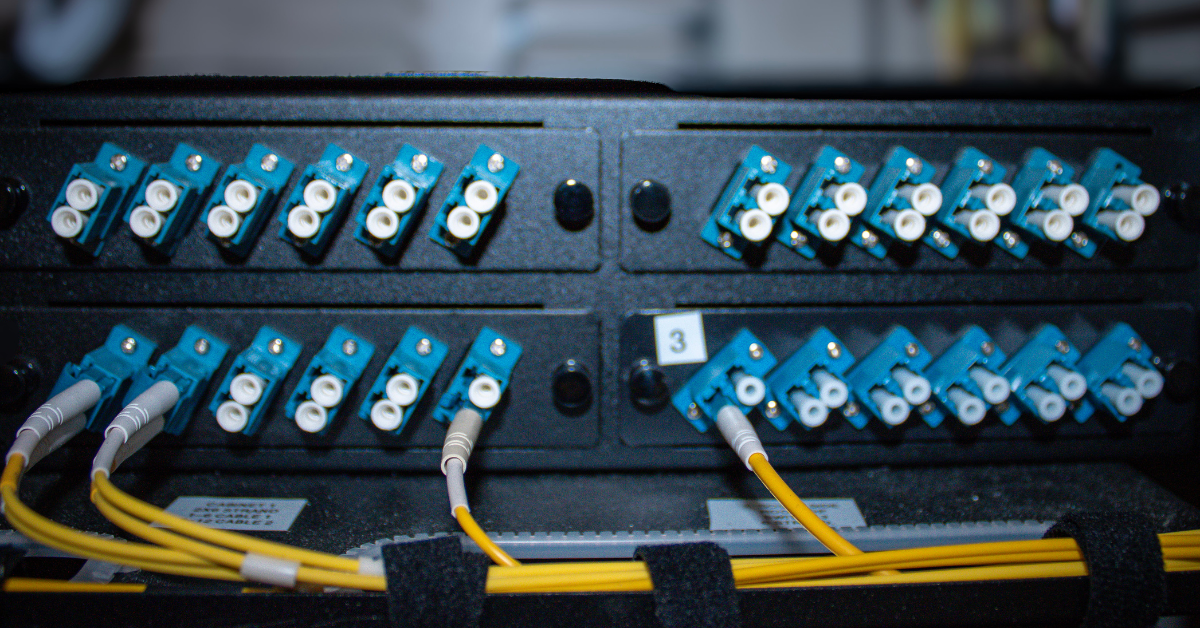
Point-to-point Ethernet creates a direct connection between two locations using fiber optic cables. This configuration offers maximum security and performance since no other organizations share the connection. Detroit businesses with multiple offices can establish secure, high-speed links without data traversing the public internet. Point-to-point connections provide latency as low as 1-5 milliseconds within metropolitan areas, making them ideal for real-time applications like VoIP systems and video conferencing.
Ethernet Private Line
Ethernet Private Line (EPL) services deliver dedicated bandwidth with guaranteed service levels. Providers commit to specific uptime percentages, often 99.9% or higher, with financial penalties if they fail to meet these standards. EPL connections support scalable bandwidth from 10 Mbps to 10 Gbps or more, allowing businesses to upgrade capacity as requirements grow without changing infrastructure.
Metro Ethernet Services
Metro Ethernet extends private networking across metropolitan areas, connecting multiple business locations through a single network infrastructure. This topology enables Detroit companies to create virtual LANs spanning different facilities while maintaining the security and performance characteristics of dedicated connections. Metro Ethernet supports flexible configurations, including point-to-multipoint designs for headquarters connecting to branch offices.
Business Internet Services
Business internet services utilize shared infrastructure where multiple customers access bandwidth through the same network pathways. Providers deliver connectivity through various technologies, including cable, DSL, fiber, and fixed wireless, each with distinct performance characteristics.
Shared Bandwidth Models
Shared bandwidth internet services allocate capacity among multiple users in a given area. During peak usage periods, available speeds may decrease as more customers consume bandwidth simultaneously. Cable internet commonly uses shared bandwidth models where neighbors in the same service area share network capacity. While this approach reduces costs, it introduces performance variability that may impact business operations during high-traffic times.
Business cable and DSL services typically provide asymmetrical speeds with faster downloads than uploads. This configuration works well for organizations primarily consuming content from the internet, but may create bottlenecks for businesses uploading data to cloud services or hosting applications.
Dedicated Internet Access
Dedicated Internet Access (DIA) offers guaranteed bandwidth similar to Ethernet services but connects directly to the public internet rather than creating private network links. DIA provides symmetrical speeds with service level agreements covering uptime and latency. This option bridges the gap between shared consumer-grade internet and fully private Ethernet networks.
Detroit businesses using DIA benefit from consistent performance without the geographic limitations of point-to-point Ethernet. According to the Federal Communications Commission, dedicated internet services have become increasingly important as companies adopt bandwidth-intensive cloud applications and remote work models.
Performance & Reliability Comparison
Performance differences between Ethernet and Internet services manifest in several key metrics. Latency, the time required for data to travel between locations, typically ranges from 1-10 milliseconds for Ethernet services compared to 20-50 milliseconds or higher for standard internet. Jitter, or latency variation, remains minimal on Ethernet networks but fluctuates significantly on shared internet connections.
Packet loss, where data fails to reach its destination, occurs rarely on dedicated Ethernet circuits with rates below 0.1%. Shared internet services may experience packet loss exceeding 1% during congestion, impacting application performance and user experience. These technical differences translate directly to business outcomes—video conferences freeze less frequently, file transfers complete faster, and cloud applications respond more quickly on dedicated connections.
Service level agreements distinguish Ethernet from standard Internet offerings. Ethernet providers typically guarantee 99.9% uptime with mean time to repair (MTTR) commitments of 4 hours or less. Shared internet services rarely include uptime guarantees or restoration timeframes, leaving businesses vulnerable to extended outages.
Cost Analysis for Detroit Businesses
Pricing structures vary significantly between connectivity options. Shared business internet services in Detroit typically range from $100-$500 monthly, depending on speed and technology. These services offer the lowest entry point for companies with basic connectivity requirements and limited budgets.
Dedicated Internet Access costs substantially more, generally starting around $500-$1,500 monthly for 100 Mbps connections. Pricing scales with bandwidth, with 1 Gbps DIA circuits costing $2,000-$5,000 monthly. The U.S. Small Business Administration suggests evaluating the total cost of ownership, including potential revenue loss from downtime, when comparing options.
Point-to-point Ethernet represents the highest investment, with monthly costs ranging from $1,000-$10,000 or more, depending on distance, bandwidth, and installation requirements. Metro Ethernet services fall between DIA and point-to-point pricing. While initial costs appear steep, many Detroit businesses find that dedicated services deliver positive ROI through improved productivity, reduced downtime, and better customer experience.
Installation timeframes also affect total cost. Shared internet services typically install within 1-2 weeks, while Ethernet circuits may require 30-90 days for fiber construction and provisioning. Companies must factor these lead times into business planning and location decisions.
Choosing the Right Solution
Selecting appropriate connectivity requires an honest assessment of business requirements. Organizations should evaluate several factors, including application requirements, number of users, growth projections, and budget constraints. Companies hosting servers, running real-time applications, or connecting multiple locations generally benefit from dedicated Ethernet or DIA services.
Businesses primarily using web-based applications with modest bandwidth requirements may find shared internet services adequate, especially when combined with backup connections for redundancy. Many Detroit organizations implement hybrid approaches, using Ethernet for critical systems while relying on business internet for general staff access.
Cronus Internet provides comprehensive connectivity solutions tailored to Detroit’s business needs. Their team evaluates specific requirements to recommend optimal configurations, balancing performance and cost considerations. Understanding your organization’s true bandwidth consumption patterns helps avoid overbuying expensive services while preventing performance bottlenecks that impact operations.
For companies transitioning to cloud services or supporting remote workers, bandwidth requirements continue evolving. Building flexibility into connectivity decisions ensures infrastructure scales with business growth without requiring frequent, disruptive changes.
Ethernet vs Internet FAQ
What is the main difference between Ethernet and Internet services?
Ethernet provides dedicated, private network connections with guaranteed bandwidth and performance, while internet services typically use shared infrastructure where multiple users access bandwidth through common pathways. Ethernet offers symmetrical speeds and service level agreements, whereas standard internet often provides asymmetrical speeds without performance guarantees.
Which option costs less for Detroit businesses?
Shared business internet services represent the most affordable option, typically costing $100-$500 monthly. Dedicated Internet Access ranges from $500-$5,000 monthly, depending on bandwidth, while point-to-point Ethernet services start around $1,000 monthly and increase based on distance and capacity requirements.
How do I know if my business needs Ethernet or Internet?
Businesses requiring consistent performance for cloud applications, VoIP systems, video conferencing, or multi-site connectivity benefit from Ethernet or Dedicated Internet Access. Companies with basic web browsing and email needs may find shared internet services sufficient. Consider factors including the number of users, application requirements, and tolerance for performance variability.
What speeds are available for each service type?
Shared internet services typically offer 25 Mbps to 1 Gbps with asymmetrical speeds. Dedicated Internet Access provides symmetrical speeds from 10 Mbps to 10 Gbps. Ethernet services support scalable bandwidth from 10 Mbps to 100 Gbps or more, depending on fiber infrastructure availability in specific Detroit locations.
Can I upgrade from the internet to Ethernet later?
Yes, most businesses can migrate from shared internet to Ethernet services as requirements grow. However, Ethernet installations require lead times of 30-90 days for fiber provisioning and construction. Planning upgrades well in advance of capacity needs prevents operational disruptions during the transition period.