












































When Detroit auto dealerships installed digital showroom technology, new car sales jumped 60 percent. But the story behind that success goes deeper than flashy screens. Modern car buyers demand seamless digital experiences, and Detroit dealerships are discovering that reliable internet connectivity forms the backbone of these profitable showroom transformations.
Auto dealership internet connectivity in Detroit isn’t just about WiFi for customers anymore. Connected showrooms now power virtual test drives, real-time financing approvals, and inventory systems that work across multiple locations. When these systems work flawlessly, dealerships close more sales. When internet connections fail, sales teams watch frustrated customers walk out the door.
The Digital Car Buying Experience
Today’s auto shoppers arrive at dealerships already informed. Research shows 80% of buyers research vehicles online before visiting a dealership. They expect the showroom experience to match the sophistication of their online research. This creates new demands for dealership technology infrastructure.
Virtual Test Drives and 360° Walkarounds
Digital showrooms let customers experience vehicles without traditional test drives. Using large LED displays and 3D imaging capabilities, 50 percent of customers in new digital showrooms ordered vehicles without ever taking a physical test drive. These systems require robust bandwidth to display high-resolution vehicle models and provide smooth 360-degree viewing experiences.
Interactive displays allow customers to customize vehicles virtually, changing colors, wheels, and interior options in real-time. This personalized shopping experience demands consistent connectivity. When internet speeds lag, the immersive experience breaks down, and potential buyers lose confidence in both the technology and the dealership.
Real-Time Financing and Trade-In Processing
Modern financing systems process credit applications instantly. Digital tools analyze buyer credit profiles and provide transparent, easy-to-understand financing options, breaking down interest rates, loan terms, and estimated monthly payments in real-time. These real-time processing capabilities depend entirely on fast, reliable internet connections.
Trade-in valuations now happen through connected systems that access current market data. Edmunds’ analysis reveals that new vehicle sales involving trade-ins generate an average transaction price of $47,549 compared to $45,192 without a trade-in. Quick, accurate trade-in processing keeps customers engaged during the critical decision-making phase.
Detroit Dealership Success Stories
Detroit’s automotive heritage creates unique opportunities for innovation. Local dealerships understand both traditional sales methods and emerging digital retail trends. This combination drives impressive results.
Ford Dealer Network Implementations
Major dealership groups have transformed their operations through technology investments. One Detroit dealer network implemented comprehensive digital systems across multiple locations. Their experience shows that dealerships that successfully implement digital strategies can increase their sales by up to 25%.
The key to these improvements lies in seamless technology integration. Sales teams need instant access to inventory data, financing tools, and customer relationship management systems. When these platforms communicate effectively over reliable networks, the entire sales process accelerates.
Independent Dealer Transformations
Smaller independent dealerships benefit even more dramatically from connected showroom technology. Without the resources of large dealer groups, independent dealers must maximize every customer interaction. Digital tools help level the playing field.
Independent dealers using digital retailing platforms report that contact rates reach 63% for new vehicles and 67% for used vehicles, with show-to-sale conversions of 41% and 40%, respectively. These conversion rates depend on systems that respond instantly to customer inquiries and provide accurate information without delay.
Technology Infrastructure Requirements
Behind every successful connected showroom stands a robust technology infrastructure. Detroit dealerships must consider multiple connectivity needs simultaneously.
Showroom WiFi for Customer Devices
Modern car buyers browse inventory on their smartphones while standing in showrooms. They research competitor pricing, read reviews, and share photos with family members who couldn’t attend. Dealerships must provide WiFi that handles dozens of simultaneous connections without slowing down.
Research indicates that customers visiting during working hours need robust connectivity to continue their day as normally as possible. When customers can work, communicate, and research while at the dealership, they stay longer and complete more transactions.
Customer WiFi also enables organic marketing. Buyers post photos of potential purchases on social media, creating authentic recommendations to their networks. This free marketing depends on fast, reliable guest WiFi access throughout the facility.
Service Department Connectivity
Connected showrooms extend beyond sales floors. Service departments need equally robust connectivity for diagnostic tools, parts-ordering systems, and customer-communication platforms. Modern vehicles contain sophisticated computer systems that require internet-connected diagnostic equipment for proper maintenance.
Service advisors use tablets to show customers repair recommendations with photos and videos. Real-time parts availability checking prevents delays in service completion. These capabilities require consistent internet access across the entire dealership facility, from showroom to service bays.
Customer Experience Analytics
Data drives modern dealership operations. Connected systems track customer behavior, preferences, and purchase patterns. Dealers use this information to optimize inventory, tailor marketing messages, and improve sales processes. Research from J.D. Power shows that technology integration significantly impacts customer satisfaction scores in automotive retail.
Analytics platforms monitor which vehicles customers view online and in-person. They track how long customers spend configuring virtual vehicles and which features generate the most interest. This data helps dealers stock the right inventory and train sales teams on customer priorities.
Customer satisfaction metrics flow through connected systems in real-time. Post-purchase surveys, service appointment feedback, and online reviews feed into comprehensive dashboards. Dealers can identify problems quickly and address them before they affect multiple customers.
However, these analytics systems require continuous data transmission. Internet outages don’t just stop sales in progress—they also blind dealers to customer experience metrics that guide strategic decisions.
Implementation Roadmap for Dealers
Detroit dealerships considering connected showroom technology face important infrastructure decisions. Success requires careful planning and the right connectivity foundation.
First, dealers must assess current internet capacity. Basic speed tests reveal whether existing connections can handle increased demand. However, true capacity planning considers peak usage scenarios—Saturday afternoons when the showroom is full, multiple financing applications are being processed simultaneously, and service department diagnostic uploads are competing for bandwidth.
Next, dealers should evaluate connectivity redundancy. Single internet connections create vulnerability. When that connection fails, the entire digital infrastructure stops working. Business internet providers in Detroit offer solutions with automatic failover that maintain connectivity even when primary lines experience problems.
The importance of redundant internet connections becomes clear when considering the cost of downtime. A busy Saturday with no internet means lost sales, frustrated customers, and a damaged reputation. Redundant connections prevent these scenarios.
Dealers must also plan for future growth. Today’s 100 Mbps connection might suffice for current needs, but digital retailing demands constantly increase. Fiber internet connections provide room for expansion without requiring complete infrastructure replacement.
Finally, dealers should partner with internet service providers who understand automotive retail requirements. Generic business internet often lacks the reliability and support that dealerships need. Specialized providers offer guaranteed uptime, priority support, and infrastructure designed for mission-critical applications. The Federal Communications Commission provides guidance on broadband standards that help businesses evaluate connectivity quality.
Making the Investment Decision
Connected showroom technology represents a significant investment. Dealers must evaluate costs against potential returns. The evidence strongly favors investment in robust connectivity. According to the National Automobile Dealers Association, dealerships that prioritize digital infrastructure see measurable improvements in customer satisfaction and sales performance.
Consider the direct revenue impact. Dealers report that AR technology boosts confidence in online purchases, reducing return rates and driving sales growth by approximately 30%. These improvements translate directly to bottom-line results.
Customer expectations continue rising. Buyers increasingly demand the convenience and transparency that digital tools provide. Dealerships without connected showroom capabilities risk losing customers to competitors who offer better digital experiences.
The automotive industry transformation toward digital retail accelerates. Dealers who invest now in proper infrastructure position themselves for long-term success. Those who delay face playing catch-up in an increasingly competitive market.
Partner with Expertise
Implementing connected showroom technology requires expertise in both automotive retail and network infrastructure. Detroit dealerships benefit from working with providers who understand both domains.
Cronus Internet specializes in business connectivity solutions for Detroit area businesses. With deep understanding of local infrastructure and business requirements, Cronus delivers reliable internet services that keep connected showrooms operating smoothly.
Whether your dealership needs fiber internet for maximum speed, fixed wireless for rapid deployment, or redundant connections for guaranteed uptime, Cronus provides solutions tailored to automotive retail demands. Contact Cronus Internet today to discuss how reliable connectivity can transform your dealership’s sales performance.
Frequently Asked Questions
What internet speed do auto dealerships need for connected showrooms?
Most connected showrooms require minimum download speeds of 100-500 Mbps, depending on the number of displays, simultaneous users, and integrated systems. Larger dealerships with multiple departments and extensive digital retail platforms should consider gigabit fiber connections for optimal performance and future growth capacity.
How does showroom WiFi impact customer satisfaction?
Robust customer WiFi allows buyers to research vehicles, communicate with family members, and continue work tasks while at the dealership. This convenience keeps customers engaged longer and reduces pressure during the decision-making process. Poor WiFi creates frustration and gives customers reasons to leave before completing purchases.
What happens when a dealership’s internet goes down?
Internet outages halt all connected systems, including inventory lookups, financing applications, trade-in valuations, and customer relationship management tools. Sales teams lose access to critical information and cannot complete transactions. Service departments cannot perform diagnostic work on modern vehicles. The entire operation essentially stops until connectivity is restored.
Can dealerships use cellular internet as a backup?
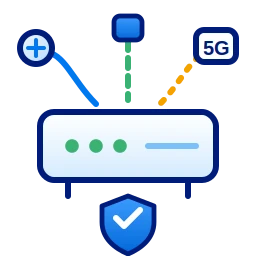
Yes, cellular internet provides effective backup connectivity for dealerships. SD-WAN technology automatically switches to cellular connections when the primary internet fails, maintaining operations during outages. According to IEEE research on network reliability, advanced SD-WAN solutions provide sub-second failover times. Many Detroit dealerships implement dual-connection strategies with fiber as primary and cellular as backup to ensure continuous uptime.
How do redundant internet connections work for dealerships?
Redundant connections involve two separate internet services from different providers using different physical infrastructure. When the primary connection fails, traffic automatically routes through the secondary connection. This failover happens so quickly that users typically don’t notice any interruption in service. Redundant connections protect against both physical line damage and provider outages.
What security considerations exist for dealership WiFi?
Dealerships handle sensitive customer information, including credit applications, driver’s licenses, and financial data. Proper network security separates customer guest WiFi from internal business systems. Advanced security measures include encryption, firewall protection, and regular security audits to prevent data breaches and protect customer privacy.