

































If you manage apartment complexes in Detroit, you already know that keeping good residents in place is worth its weight in gold. Turnover is expensive — the National Apartment Association reports that the cost of turning over a single unit now reaches $4,000, factoring in lost rent, concessions, and maintenance. One of the most powerful — and often overlooked — tools to combat that churn? Apartment complex internet detroit property managers are increasingly treating managed WiFi not as a perk, but as a foundational amenity.
This guide breaks down why internet access has become a retention driver, what the data says about ROI, how different property types should approach implementation, and how to communicate the value to residents so they actually notice — and stay.
The Changing Landscape of Apartment Amenities
Renters in 2025 are not the same renters from a decade ago. Their expectations have evolved dramatically, and the bar for what counts as a “standard” amenity keeps rising. Internet connectivity has moved from a nice-to-have to a genuine deal-breaker.
Remote Work Driving Internet Demand
The shift toward remote and hybrid work has permanently changed what renters need from their homes. According to the 2024 NMHC/Grace Hill Renter Preferences Survey of over 172,000 renters nationwide, 90% of respondents were either interested in or would not rent without high-speed internet — making it the third-highest ranked apartment feature, behind only air conditioning and in-unit washer/dryer.
The same survey found that the share of renters interested in or unwilling to rent without community-wide WiFi climbed from 54% in 2022 to 59% in 2024. That trajectory is not slowing down. When your residents are conducting video calls, uploading large files, and attending virtual meetings from their living rooms, a slow or spotty connection is not an inconvenience — it is a lease-ending problem.
Listings featuring dedicated work-from-home amenities and high-speed internet also generate 16% more daily saves and 23% more shares on Zillow, according to a Zillow study cited by Criterion B, meaning internet-forward properties attract more prospective residents even before move-in.
Competitive Market Analysis in Detroit
Detroit’s apartment market has become increasingly competitive when it comes to resident retention. According to RealPage Market Analytics, Detroit was one of only two major Midwest markets to see lease renewal rates climb more than 400 basis points year-over-year as of October 2024 — one of the strongest retention gains in the nation’s top 50 markets.
That is the good news. The challenge is that as retention competition heats up, residents have more options and more leverage. In a market where every renewal matters, property managers who offer a seamless, managed internet experience have a concrete advantage over those who leave residents to sort out their own service.
ROI Analysis for Internet Amenities
The business case for offering apartment complex internet in Detroit goes well beyond resident satisfaction scores. There is a direct financial impact — on rent potential and on the real cost of turnover.
Rent Premium Justification Data
Managed WiFi as a bundled amenity gives property managers a clear upsell story. Properties that provide all-inclusive connectivity — meaning residents log in immediately upon move-in with no setup required — can justify higher monthly rents because they are eliminating a friction point residents would otherwise absorb themselves.
The NMHC’s analysis of bulk internet in rental housing notes that for renters, bulk internet service is typically faster, more reliable, and more affordable than what they could source themselves in the consumer market. When property managers bundle this service, they can often charge a monthly amenity or technology fee that is priced below what a resident would pay individually — creating a win for both sides while preserving margin.
The key is framing. Internet is not a utility line item; it is an immediate move-in experience that signals your property invests in resident quality of life.
Reduced Turnover Cost Savings
A 2024 Zego report cited by the National Apartment Association puts the cost of turning over a single unit at $4,000 — inclusive of lost rent during vacancy, make-ready costs, concessions for new tenants, and leasing commissions.
If your 100-unit complex reduces annual turnover by just 10 units by improving internet infrastructure and resident experience, that is a $40,000 swing. A property-wide managed WiFi solution — particularly one that is competitively priced and professionally maintained — can deliver that return while also opening a new revenue channel.
Cronus Internet’s multi-dwelling unit internet solutions are designed with exactly this economics in mind: property managers gain a lower-cost, higher-service-level alternative that creates both tenant satisfaction and a potential new revenue source.
Implementation Models for Different Property Types
Not every apartment complex approaches internet infrastructure the same way, and your physical building type matters more than you might think when determining the right solution.
Garden-Style vs. High-Rise Considerations
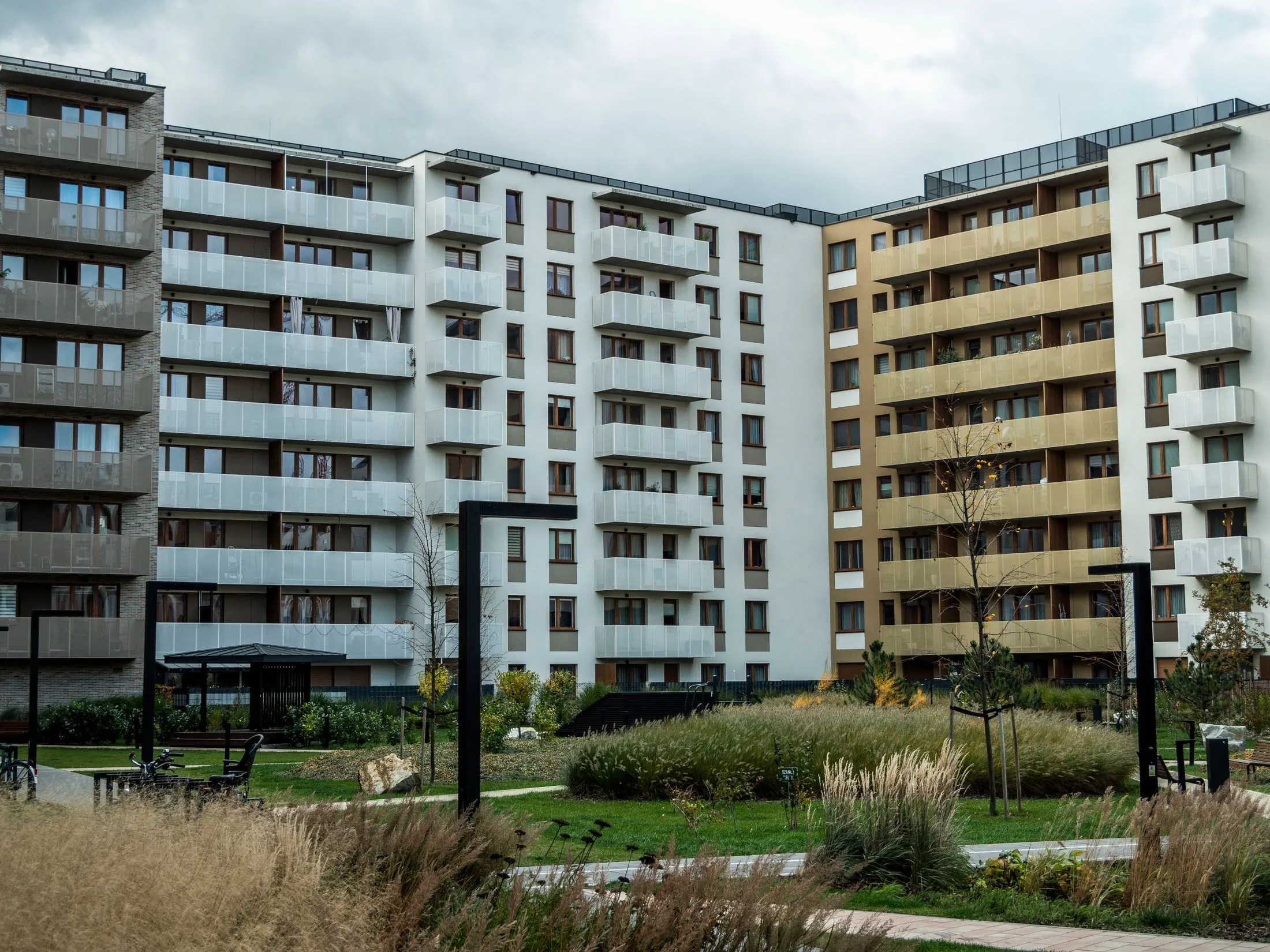
Garden-style apartment communities — typically two to four-story buildings spread across a larger footprint — face different connectivity challenges than high-rise towers. In garden communities, the distributed layout means access points need to be deployed across multiple buildings, outdoor common areas, parking structures, and amenity spaces like pools and courtyards.
High-rise buildings concentrate residents vertically, which presents a different challenge: signal penetration through floors and concrete walls, elevator coverage, and ensuring that corridors and rooftop amenity spaces are covered without interference.
Fixed wireless and fiber internet both have roles in solving these challenges. Cronus Internet’s fixed wireless solutions offer speeds up to 10 Gbps and require no construction, making them a practical entry point for garden-style communities. For high-rises or properties with higher bandwidth demands, fiber internet installation delivers speeds up to 1 Tbps with the reliability residents working from home demand.
The good news is that modern managed WiFi platforms are flexible enough to serve both property types. The key is working with a local provider who understands the building stock specific to Detroit and can conduct a proper site survey before making a technology recommendation.
Resident Communication and Marketing
Getting the infrastructure right is only half the equation. If residents do not know about the quality of your internet offering — or if onboarding is clunky — the amenity loses its retention value before it has a chance to deliver.
Here is what property managers consistently get right when marketing their internet amenity:
- Highlight move-in day connectivity. The 2024 NMHC/Grace Hill survey found that 87% of renters view immediate internet access on move-in day as “very important” or “absolutely essential.” Make that promise prominent in your listing and lease materials.
- Use specific speed claims. Vague references to “high-speed internet” are less compelling than stating that residents can access dedicated gigabit connectivity.
- Show coverage maps. Residents want to know that WiFi reaches the pool deck, the fitness center, the parking garage, and the lobby — not just their unit.
- Promote the cost savings. If your managed WiFi is bundled at a rate below what residents would pay retail, say that explicitly.
Digital channels matter, too. Your property listing, website, and Google Business Profile should all call out internet access as a featured amenity with specifics. This shapes the expectations of prospective residents who may be filtering searches based on connectivity before they ever contact your leasing office.
Technology Infrastructure Planning
Committing to property-wide managed internet is a long-term infrastructure decision, not just a vendor contract. Before signing with a provider, property managers should think through several planning considerations.
First, understand your current infrastructure. Older Detroit-area buildings may require some wiring assessment before a fiber optic installation can proceed efficiently. A qualified provider will conduct a site survey and walk you through what is required.
Second, think about scalability. The number of connected devices per unit has grown sharply. What sufficed for a two-device household five years ago may buckle under smart TVs, laptops, tablets, gaming consoles, smart home devices, and streaming services all running simultaneously.
Third, ensure your service level agreement matches your resident expectations. If a resident’s internet fails at 11 PM on a Tuesday while they are preparing a work presentation, what is your provider’s response time? Cronus Internet offers around-the-clock customer support and a locally-based service team in Detroit — meaning faster response times than national providers who route calls through remote call centers.
Finally, consider the Internet of Things footprint of your building. As noted by GlobeSt.com, modern apartment buildings increasingly rely on connected systems for smart locks, HVAC sensors, EV chargers, and more. A properly planned network supports both resident use and building operations on the same infrastructure.
Frequently Asked Questions About Apartment Complex Internet in Detroit
What is a multi-dwelling unit (MDU) internet solution?
A multi-dwelling unit internet solution is a network infrastructure designed to provide high-speed internet connectivity to multiple separate units within a single property — such as an apartment building, condominium, or mixed-use complex. Rather than each resident sourcing their own service, the property owner or manager partners with a provider to deliver managed connectivity across the entire building or campus.
How does managed WiFi differ from standard residential internet?
Standard residential internet requires each tenant to set up their own service, which introduces activation delays, equipment issues, and coverage gaps. Managed WiFi, by contrast, is configured and maintained by the property’s provider, delivers consistent coverage throughout common areas and units, and can typically be activated on move-in day — a key satisfaction driver, since 87% of renters view immediate connectivity as very important or essential, per the 2024 NMHC/Grace Hill survey.
Can offering internet as an amenity increase my rent potential?
Yes. Bundled internet as an all-inclusive amenity allows property managers to incorporate the cost into the rent or charge a separate technology fee, often at a rate below what residents would pay individually. This creates perceived value that can support higher asking rents and improve lease renewal rates.
Does Cronus Internet serve apartment complexes across all of Detroit?
Contact the Cronus team to request a site assessment and custom quote.
What types of apartment buildings benefit most from property-wide internet?
All apartment property types can benefit, but the approach varies. Garden-style communities with distributed buildings often leverage fixed wireless technology for quick deployment across multiple structures. High-rise buildings typically benefit from fiber infrastructure that ensures consistent speeds and coverage across every floor. Cronus Internet conducts site surveys to recommend the right technology mix for each property.
How long does it take to install fiber internet in an apartment building?
Cronus Internet fiber installation guide.
The Bottom Line: Internet Is the Amenity That Pays for Itself
Detroit apartment complex managers face a straightforward choice: invest in the infrastructure that keeps residents satisfied and leases signed, or absorb the $4,000 average cost of turnover unit after unit. Apartment complex internet in Detroit has moved well past the category of optional perk — it is now a retention strategy with a measurable financial return.
Cronus Internet has been serving Detroit property owners and developers since 2008, delivering managed internet solutions that increase tenant satisfaction, create new revenue streams, and give property managers one less thing to lose sleep over. Ready to see what managed WiFi can do for your NOI? Request a quote from Cronus Internet today.