




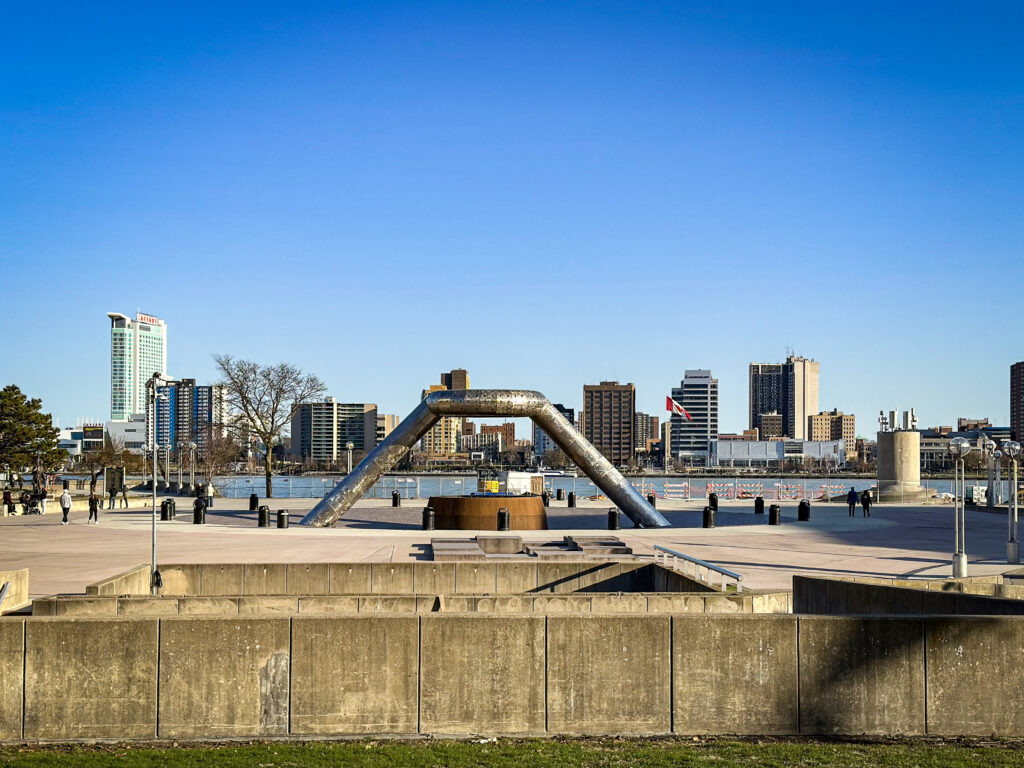
Ask any dockmaster on the Detroit River what boaters request most after a slip assignment, and connectivity comes up fast. Marina WiFi has shifted from a nice extra to a baseline expectation, and marinas that treat it that way are winning the battle for seasonal contracts. Boaters now compare harbors the same way travelers compare hotels, and a network that drops every time the clubhouse fills up sends them somewhere else.
Michigan gives marinas a lot to compete for. The state ranks fourth in the nation for recreational boating economic impact, with more than $11.7 billion in annual economic activity supporting over 45,000 jobs, according to the National Marine Manufacturers Association. This guide covers why boaters expect dockside internet, how connectivity drives slip revenue, and how Cronus Internet builds waterfront networks that hold up through a full Great Lakes season.
Why Today’s Boaters Expect Dockside Internet
Michigan is one of the top states in the country for boat registrations. The NMMA’s registration report counted 11.6 million registered or documented boats nationwide, with Michigan among the top five states alongside Florida, Minnesota, California, and Ohio. That is a large audience of boat owners deciding each spring where to dock, and their expectations follow them from home to the harbor.
Remote Work from the Water
Flexible work has made the boat a legitimate office. The Bureau of Labor Statistics’ American Time Use Survey found that 34.9 percent of full-time workers, roughly 32.5 million people, performed at least part of their job from home on an average day in 2025. For many of those professionals, “home” in July means a slip on the Detroit River or Lake St. Clair.
A boater taking video calls from the cockpit needs the same performance as a downtown office: stable upload speeds, low latency, and a connection that does not collapse when fifty other vessels come online. Marinas that deliver that experience become the workspace, not just the weekend getaway, which keeps slips occupied on Tuesdays as well as Saturdays.
Navigation, Weather & Streaming Demands
Even boaters who never open a laptop lean on connectivity. Chart plotter updates, engine diagnostics apps, and streaming entertainment all pull bandwidth at the dock. Weather monitoring is the big one on the Great Lakes, where conditions turn quickly. The National Weather Service’s Great Lakes marine forecasts are updated throughout the day, and boaters checking wind, wave, and small craft advisory information before leaving the well need a connection they can trust.
Add the family streaming movies in the salon while dinner cooks on the grill, and a single vessel can generate more traffic than a small office. Multiply that across a full marina and consumer-grade equipment simply cannot keep up.
How WiFi Drives Marina Revenue
Connectivity is not just an amenity line item. It shapes the three numbers every marina operator watches: occupancy, rate, and renewal.
Premium Slip Pricing & Occupancy Rates
When boaters evaluate marinas, amenities justify rate differences between comparable harbors. A marina with dependable dockside WiFi can position itself against competitors the way hotels use connectivity in their own marketing. Reliable marina WiFi also supports the operational side: dockhands processing payments wirelessly, fuel dock transactions, security cameras covering the wells, and gate systems all ride the same network. Cronus Internet builds public space networks for marinas, parks, and waterfront districts with features like branded splash pages, which give operators a marketing touchpoint every time a guest connects.
Seasonal Contracts and Boater Loyalty
Michigan’s boating season is short, and marinas make their year on seasonal contracts signed months in advance. A boater who spent last summer fighting a dead zone at the end of D dock has all winter to shop for a new harbor. One who worked comfortably from the water all season has little reason to leave.
Word of mouth compounds the effect. Boating communities are tight, and the marina known on the water as “the one with WiFi that actually works” earns referrals that no ad budget can buy. Transient boaters cruising the Great Lakes talk, post, and review, and connectivity comes up constantly in those conversations.
Unique Challenges of Waterfront Networks
Marinas are among the hardest environments to cover with wireless. Water reflects radio signals, masts and flybridges create moving obstructions, and metal hulls block coverage in ways an office floor plan never does. A network design that works in a warehouse fails on a dock.
Weather-Resistant Equipment Requirements
Everything installed at a marina lives outdoors in spray, humidity, ice, and temperature swings from below zero to the upper nineties. Access points, mounts, and cabling need outdoor ratings and marine-grade installation practices, and the network has to survive spring storms and November gales alike. Equipment chosen for a climate-controlled office will not last a season on a pier.
Coverage Across Docks, Wells & Clubhouses
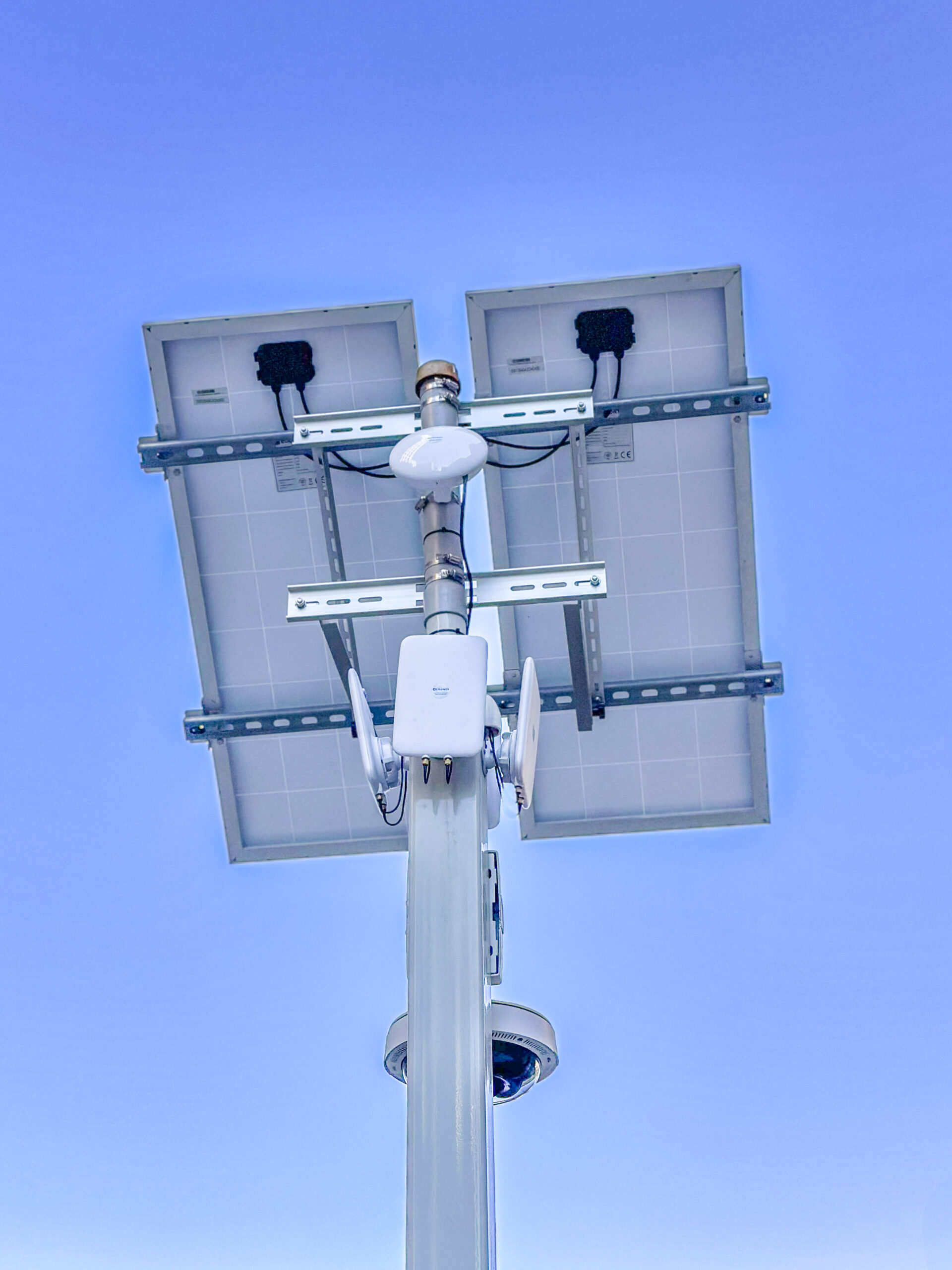
A marina is really several venues in one. The clubhouse and ship’s store need indoor coverage. The fuel dock needs reliable point-of-sale connectivity. The docks themselves stretch hundreds of feet over water, with boats of every size creating an ever-changing obstacle course. Proper design uses multiple strategically placed access points, directional antennas aimed down the piers, and enough backhaul capacity so the farthest well gets the same experience as the harbormaster’s office.
Detroit River & Great Lakes Marina Considerations
Michigan’s waterfront infrastructure is enormous. The state maintains more than 1,000 public boating access sites and 82 public harbors, with 3,300 miles of Great Lakes shoreline and 11,000 inland lakes, according to the Michigan Department of Natural Resources. Southeast Michigan’s stretch of that system, from the Detroit River through Lake St. Clair, is some of the busiest recreational water in the region.
Detroit-area marinas also face specific local realities: dense urban surroundings that crowd the wireless spectrum, seasonal operations that make year-round contracts for unused capacity wasteful, and shoreline properties where trenching new lines is expensive or impossible. Cronus Internet has worked on Detroit’s waterfront for years, supporting organizations along the riverfront and public spaces across the city, and understands how to engineer around these constraints. Visit the Cronus Internet news page for more on how Detroit venues solve their connectivity challenges.
Fixed Wireless: The Ideal Marina Solution
Most marinas cannot wait months for construction crews to trench fiber across a seawall. Fixed wireless from Cronus Internet delivers speeds up to 10 Gbps over a wireless link between two fixed points, with no construction required. For a waterfront property, that means enterprise bandwidth without tearing up docks, parking lots, or landscaping.
Cronus Internet owns its entire network and bypasses the local exchange carrier and cable providers, which keeps performance and support in one set of local hands. For marinas hosting regattas, dock parties, or holiday fireworks crowds, temporary connections can add capacity for special events without a long-term commitment. Network features available for public spaces include:
- Custom branded splash pages when guests connect
- Cybersecurity protection for the guest network
- Live camera streams of the property
- People counters and sound sensors to monitor activity
Planning Your Marina WiFi Installation
A successful marina WiFi project starts before any hardware goes up. Walk the property with your provider and map every area that needs coverage: docks, wells, fuel dock, clubhouse, pool deck, parking, and winter storage. Count peak-season demand honestly, including guest vessels during events. Decide how you will present the network to boaters, whether as an included amenity, a tiered upgrade, or a branded guest experience with a splash page.
Then choose a partner who knows the water. Cronus Internet has served Detroit since 2008 as the first and only privately held internet service company based in the city, with local crews who show up when something needs attention in the middle of your busiest weekend. Request a quote before the spring rush and your network can be live when the first boats splash.
Frequently Asked Questions About Marina WiFi
What is marina WiFi?
Marina WiFi is a wireless internet network designed to cover a marina’s docks, slips, and shore facilities so boaters and staff can get online from their vessels. It uses outdoor-rated access points and directional antennas engineered for the reflective, obstacle-heavy environment of a working harbor.
How do marinas provide WiFi across long docks?
Coverage across long piers requires multiple access points placed strategically along the docks, often with directional antennas aimed down each pier. Because boats, masts, and water all interfere with signals, professional site surveys and enterprise equipment matter far more at a marina than in a typical building.
Why is WiFi so difficult at marinas?
Water reflects wireless signals, metal hulls and masts block them, and every vessel that arrives or departs changes the coverage picture. Add outdoor weather exposure and long distances between shore and the outermost wells, and consumer-grade equipment fails quickly. Marina networks need purpose-built outdoor design.
Does marina WiFi really affect slip rentals?
Yes. With about a third of full-time workers doing at least part of their job remotely, many boaters now choose harbors where they can work from the water. Reliable connectivity supports occupancy, renewals, and word-of-mouth referrals, while a poor network gives seasonal boaters a reason to shop elsewhere.
What internet service works best for marinas?
Fixed wireless is often the best fit because it delivers multi-gigabit speeds without construction, which matters on waterfront properties where trenching is costly or impossible. Cronus Internet’s fixed wireless service reaches speeds up to 10 Gbps and can be paired with temporary capacity for regattas and events.
Who provides marina WiFi in Detroit?
Cronus Internet specializes in internet and WiFi systems for marinas, parks, hotels, private clubs, and public spaces across Metro Detroit. The company has operated in Detroit since 2008, owns its entire network, and provides local installation and ongoing support for waterfront properties.
The Bottom Line on Detroit Marina WiFi
Boaters bring their whole digital lives to the dock, and marinas that meet them there fill slips faster, hold seasonal contracts longer, and earn the reviews that bring transient traffic in from across the lakes. The waterfront makes wireless hard, which is exactly why the marina that gets it right stands out.
Cronus Internet builds networks for Detroit’s toughest outdoor environments, from riverfront parks to public plazas, with the local team and owned infrastructure to keep your harbor connected all season. Contact Cronus Internet today and make marina WiFi the amenity boaters remember you for.