































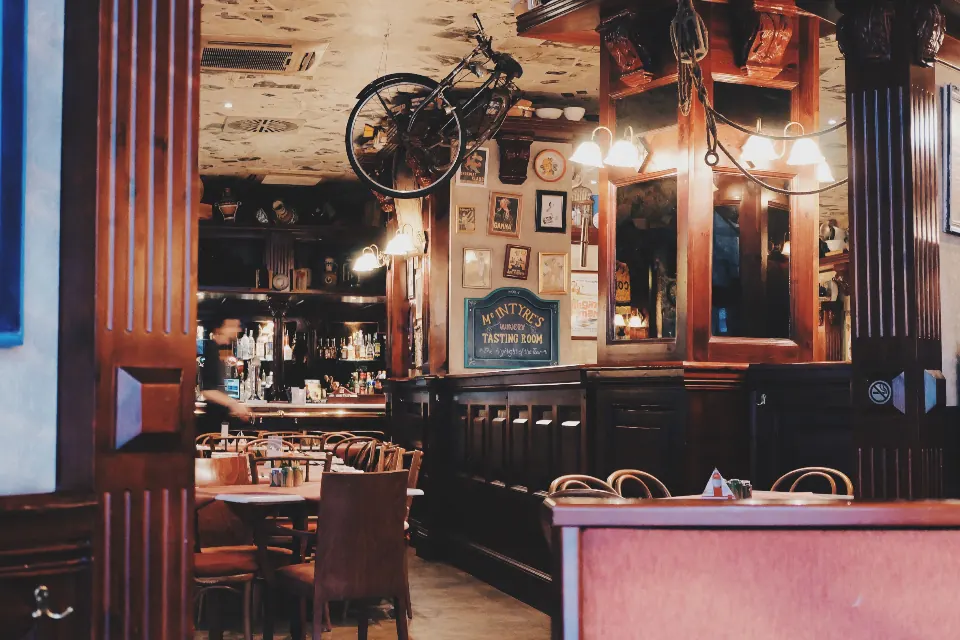
Detroit’s restaurant scene is experiencing a technology revolution. From Corktown’s bistros to Greektown’s tavernas, restaurant operators are discovering how cloud-based POS systems boost revenue, eliminate downtime, and transform customer experiences. The shift from traditional restaurant POS systems Detroit operators relied on for decades to modern cloud solutions represents one of the most significant operational improvements in the hospitality industry.
The numbers tell a compelling story. According to market research, cloud-based POS adoption rose by 42%, enhancing remote management and operational efficiency. For Detroit restaurants navigating rising labor costs and fierce competition, cloud POS technology offers measurable improvements that directly impact the bottom line.
The Restaurant Technology Revolution in Detroit
Detroit’s culinary landscape has evolved dramatically over the past decade. The city’s restaurant scene now includes everything from James Beard Award semifinalists to innovative fast-casual concepts, all competing for customer attention in an increasingly digital marketplace.
Modern restaurant POS systems that Detroit establishments deploy must handle complex demands that legacy systems simply cannot support. These demands include online ordering integration, real-time inventory management, comprehensive analytics, and seamless third-party delivery platform connections.
The POS restaurant management system market was valued at USD 17.84 billion in 2026, projected to touch USD 34 billion by 2035. This explosive growth reflects how critical these systems have become to restaurant operations and profitability.
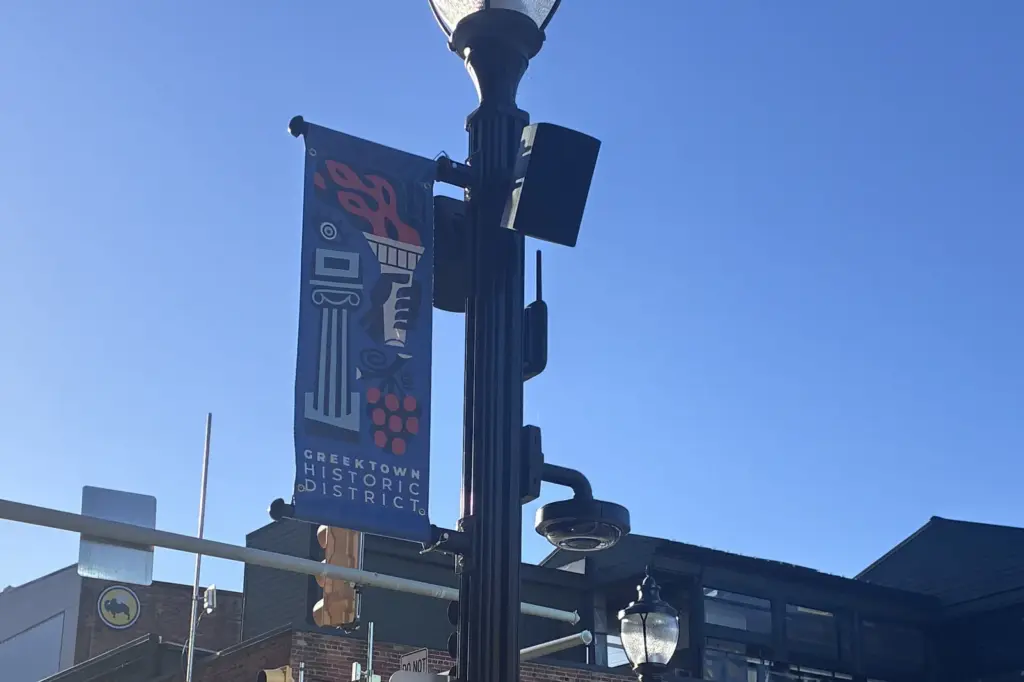
Local Success Stories from Corktown to Greektown
Detroit restaurants implementing cloud POS solutions report immediate operational improvements. Business owners in historic neighborhoods like Corktown, Midtown, and Greektown have discovered that modern technology integrates seamlessly with their unique concepts while preserving the authentic character that defines Motor City dining.
Connectivity infrastructure matters significantly for cloud POS performance. Detroit restaurants working with providers like Cronus Internet ensure they have the reliable, high-speed internet necessary to support real-time transaction processing, even during peak service periods.
The restaurant technology market is experiencing a significant transformation. According to the National Restaurant Association, industry analysts report that restaurants investing in secure POS systems experience a 40 percent reduction in security incidents, demonstrating that modern systems deliver both operational and security benefits.
Why Traditional POS Systems Are Failing Restaurants
Legacy restaurant POS systems in Detroit establishments installed years ago face critical limitations that impact revenue and operational efficiency.
Understanding these shortcomings helps restaurant operators make informed decisions about technology upgrades.
Downtime Costs and Lost Revenue
POS system failures create immediate financial consequences. Research indicates that an hour of POS downtime can cost a mid-sized restaurant $1,000 to $5,000 in lost revenue, plus alienated customers. During Detroit’s busy lunch rushes and evening services, these losses compound quickly.
Traditional POS systems fail due to multiple factors, including power outages, internet connectivity issues, hardware failures, and software glitches. Each failure mode creates operational chaos, forcing staff to manually process orders and payments while customers grow increasingly frustrated.
The average restaurant experiences more than 80 hours of unplanned downtime every year, with 87% having to wait up to four hours for support. For Detroit restaurants operating on tight margins, this downtime represents lost revenue that can never be recovered.
Beyond direct sales losses, downtime impacts reputation. Customers increasingly share negative experiences on review platforms, and 33% of customers said they won’t eat at a restaurant if the internet rating is less than 4 stars. A single technical failure during peak service can generate multiple poor reviews that damage long-term business prospects.
Limited Reporting and Analytics
Traditional POS systems provide basic transaction recording but lack the sophisticated analytics capabilities modern restaurants require. Operators need real-time insights into sales patterns, inventory usage, labor productivity, and customer preferences to make informed business decisions.
Legacy systems typically require manual data extraction and analysis, consuming valuable management time that could be better spent on customer service and strategic planning. Many traditional systems cannot integrate with modern tools like online ordering platforms, delivery services, and customer relationship management software.
Cloud POS Benefits for Detroit Restaurants
Cloud-based systems deliver measurable advantages that directly impact restaurant profitability and operational efficiency. The transition from traditional to cloud architecture represents a fundamental improvement in how restaurants manage their technology infrastructure.
Revenue Optimization: Cloud POS systems enable dynamic pricing, promotional management, and upselling capabilities that increase average ticket sizes. POS software with loyalty program functionality can increase ticket size by up to 46%, providing substantial revenue growth opportunities.
Real-Time Data Access: Managers can monitor restaurant performance from anywhere using mobile devices. This capability proves particularly valuable for multi-location operators or owners who need flexibility in their daily schedules.
Automatic Updates: Cloud systems receive software updates automatically, ensuring restaurants always operate with the latest features and security patches. Traditional systems require manual updates that often get postponed, leaving restaurants vulnerable to security threats and missing important functionality improvements.
Integration Capabilities: Modern cloud POS platforms integrate seamlessly with online ordering, delivery services, accounting software, and inventory management systems. This integration eliminates duplicate data entry and reduces errors that occur when information must be manually transferred between systems.
Scalability: Cloud systems easily accommodate business growth. Adding new terminals, locations, or features requires minimal effort compared to traditional systems that may need complete hardware replacements.
Research confirms these advantages. The deployment of cloud-based POS solutions is projected to occupy more than 53% of the market in 2022 and witness the highest growth rate, reflecting widespread industry adoption driven by proven benefits.
Internet Requirements for Cloud POS Systems
Cloud POS reliability depends entirely on internet connectivity quality. Detroit restaurants must ensure their network infrastructure meets specific performance requirements to deliver consistent service.
Bandwidth and Reliability Needs
Minimum bandwidth requirements vary based on the number of POS terminals and connected devices. Industry standards recommend one terminal needs 1.5 mbps download speed and 768 kbps upload speed, with each additional terminal increasing the download speed requirement by approximately 750 kbps.
For typical Detroit restaurants operating 5-10 terminals during peak periods, a minimum connection of 25-50 Mbps download provides adequate capacity. However, Cronus Internet recommends higher capacity connections to accommodate peak demand and future growth. The FCC’s broadband standards for businesses continue evolving, with current recommendations suggesting 100/20 Mbps for fixed service to support modern business applications effectively.
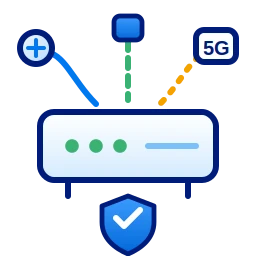
Connection Redundancy: Smart restaurant operators implement redundant internet connections to prevent complete service interruptions. Using multiple internet service providers or cellular backup ensures transactions continue processing even if the primary connection fails.
Quality of Service: Network configuration matters significantly. Restaurants should implement Quality of Service (QoS) protocols that prioritize POS traffic over other network activities like guest WiFi or security cameras. This prioritization ensures transaction processing remains unaffected even when network bandwidth becomes constrained.
Network Security: Cloud POS systems require robust security measures to protect payment data and customer information. Restaurants must implement network segmentation that separates POS systems from guest networks, preventing unauthorized access to sensitive transaction data. Compliance with PCI DSS (Payment Card Industry Data Security Standard) ensures restaurants meet industry security requirements for handling cardholder data.
Detroit restaurants working with Cronus Internet’s business connectivity solutions gain access to enterprise-grade network infrastructure designed specifically for hospitality operations. These solutions include redundant connections, 24/7 monitoring, and priority support that keeps systems running during critical service periods.
Internet Speed Requirements:
- Single terminal operation: 5-10 Mbps minimum
- Small restaurant (2-5 terminals): 25-50 Mbps recommended
- Medium restaurant (6-10 terminals): 50-100 Mbps recommended
- Large restaurant (10+ terminals): 100+ Mbps recommended
Detroit’s business internet infrastructure continues improving, with fiber connectivity now available in many commercial districts. Bandwidth planning becomes essential as restaurants add connected devices like kitchen display systems, online ordering tablets, and inventory management tools.
Implementation Timeline and Training
Cloud POS implementation requires careful planning to minimize disruption to restaurant operations. The typical deployment process spans 2-4 weeks from initial planning to full operational status.
Week 1: Planning and Configuration
POS providers work with restaurant management to configure the system based on specific operational requirements. This includes menu programming, pricing structures, tax settings, employee access levels, and integration setup with existing tools.
Week 2: Hardware Installation
Physical equipment installation, including terminals, printers, cash drawers, and kitchen display systems, occurs during non-operating hours to prevent service disruption. Network infrastructure verification ensures adequate connectivity for all devices.
Week 3: Staff Training
Comprehensive training sessions teach staff how to use the new system effectively. Training typically covers order entry, payment processing, table management, report generation, and troubleshooting basic issues. Progressive restaurants schedule training in small groups to maintain service levels.
Week 4: Go-Live and Support
The final week includes parallel operation where both old and new systems run simultaneously, allowing staff to build confidence before the complete transition. Enhanced support during the first weeks addresses questions and resolves unexpected issues quickly.
Restaurant POS Readiness Checklist
- Verify internet bandwidth meets minimum requirements (test during peak hours)
- Confirm network security protocols are in place
- Complete menu and pricing configuration
- Set up employee access levels and permissions
- Install and test all hardware components
- Train all staff members on the new system
- Configure integrations with online ordering and delivery platforms
- Set up automated backup systems
- Test payment processing with all accepted card types
- Verify printer and kitchen display system functionality
- Establish support contact procedures
- Document system settings and configurations
Frequently Asked Questions
What internet speed do I need for a cloud POS system?
Minimum speeds vary by restaurant size and operations. Small establishments with 2-3 terminals require at least 25 Mbps download speeds, while larger operations with 10+ terminals should plan for 100+ Mbps. Upload speeds of at least 10 Mbps ensure reliable transaction processing. Test your connection during peak hours, as bandwidth requirements increase when guest WiFi, online ordering, and delivery platforms operate simultaneously.
How much does cloud POS downtime really cost?
Downtime costs extend beyond immediate lost sales. A single hour of downtime during peak service can cost $1,000-$5,000 in direct revenue losses. Additional costs include labor inefficiency, food waste from orders that cannot be processed, and reputation damage from frustrated customers. The average restaurant loses $6,000-$12,000 annually from POS-related disruptions.
Can cloud POS systems work during internet outages?
Many cloud POS systems offer offline mode functionality that allows basic transaction processing during internet outages. However, offline capabilities are limited compared to full functionality. Smart operators implement redundant internet connections through providers like Cronus Internet to prevent complete service disruptions rather than relying on offline mode.
How long does it take to implement a cloud POS system?
Typical implementation requires 2-4 weeks from initial planning to full deployment. Complex restaurants with extensive menus, multiple locations, or specialized requirements may need 6-8 weeks. The process includes system configuration, hardware installation, staff training, and testing. Working with experienced providers accelerates deployment while ensuring thorough preparation.
What security measures protect cloud POS data?
Modern cloud POS systems implement multiple security layers, including end-to-end encryption, tokenization of payment data, PCI DSS compliance, and regular security audits. Network-level security through proper VLAN configuration and firewall protection adds additional safeguards. Restaurants should partner with providers offering comprehensive security protocols that protect both transaction data and customer information.
Do cloud POS systems integrate with delivery platforms?
Yes, modern cloud POS systems integrate with major delivery platforms, including DoorDash, Uber Eats, and Grubhub. These integrations automatically import delivery orders into the POS system, eliminating manual order entry and reducing errors. Integration also synchronizes menu updates, pricing changes, and inventory availability across all platforms.
Take the Next Step
Detroit restaurants embracing cloud POS technology gain competitive advantages that translate directly to improved profitability. The combination of reduced downtime, enhanced analytics, integrated operations, and superior customer experiences creates substantial value for forward-thinking operators.
Success requires more than just selecting the right POS system. Reliable, high-performance internet connectivity forms the foundation that enables cloud technology to deliver promised benefits. Cronus Internet specializes in providing Detroit restaurants with enterprise-grade connectivity solutions designed specifically for hospitality operations.
Contact Cronus Internet today to discuss how our business internet services support your restaurant’s cloud POS implementation and drive operational excellence throughout your organization. Our team understands the unique connectivity requirements Detroit restaurants face and delivers solutions that keep your business running smoothly during even the busiest service periods.