


































Updated October 2026 · For businesses with multiple locations or uptime-critical sites
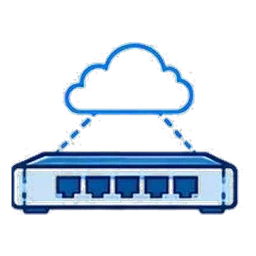
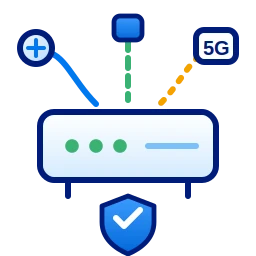
SD-WAN (software-defined wide area networking) lets a business combine several internet connections into one smarter, more reliable network. Instead of depending on a single line, an SD-WAN router uses fiber, cable, fixed wireless and 5G together, steering each type of traffic over the best path.
Here is how SD-WAN works, what it improves and when it makes sense.
- SD-WAN combines multiple connections and manages them as one.
- It improves uptime with automatic, near-instant failover.
- It prioritizes voice and critical apps over less important traffic.
- It is often simpler and less expensive than traditional MPLS.
How SD-WAN Works
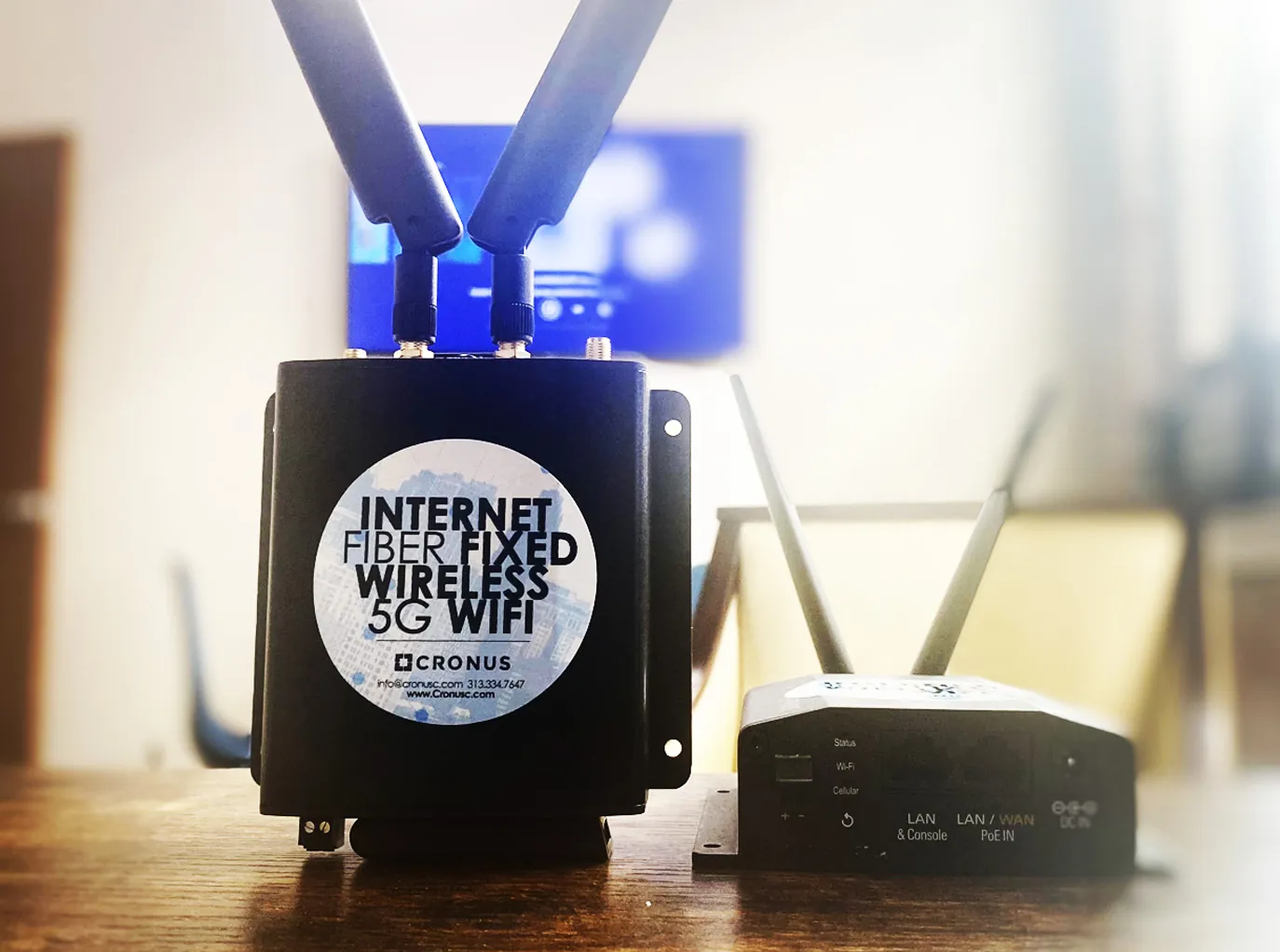
An SD-WAN router connects to two or more internet services and continuously measures their performance. Policies decide which traffic uses which link: voice calls might take the lowest-latency path, while backups use whatever capacity is left. If a link degrades or fails, traffic moves automatically.
What SD-WAN Improves
- Uptime: traffic survives the loss of any single connection.
- Call quality: voice and video get priority.
- Performance: bandwidth from several links can be combined.
- Management: multiple locations are managed from one place.
- Flexibility: add 5G or fixed wireless without redesigning the network.
SD-WAN vs MPLS
| SD-WAN | MPLS | |
|---|---|---|
| Transport | Any internet connection | Private carrier circuits |
| Cost | Usually lower | Usually higher |
| Deploy time | Days to weeks | Weeks to months |
| Cloud access | Direct | Often routed through headquarters |
| Failover | Built in | Requires extra circuits |
Many companies are replacing MPLS with SD-WAN because their applications have moved to the cloud. See our guide to SD-WAN vs MPLS for more detail.
When a Business Should Use SD-WAN
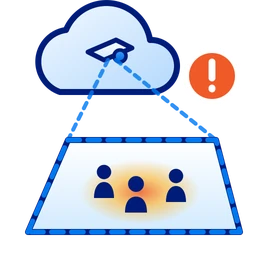
- Multiple locations that need consistent, secure connectivity.
- Sites where downtime directly stops revenue.
- Teams that rely on voice and video calls.
- Locations where fiber is not available and cellular fills gaps.

SD-WAN Without New Installation
Because SD-WAN can run over 5G, a site can go live with no cable installation at all, then add fixed wireless or fiber later. That makes it ideal for new locations, pop-ups and temporary sites.
Security With SD-WAN
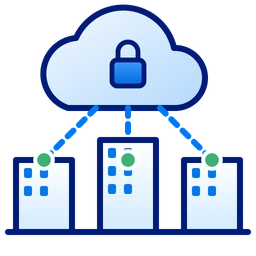
Modern SD-WAN platforms include encrypted tunnels between locations, firewall features and segmentation so payment systems, staff and guest traffic stay separate. Centralized policies mean every site gets the same protection, which is hard to achieve with a mix of consumer routers.
What SD-WAN Costs
SD-WAN costs depend on the number of sites, the connections at each one and whether the service is managed. Many businesses find that combining affordable internet connections with SD-WAN costs less than a single premium circuit while delivering better uptime. A managed service also removes the need for in-house expertise.
Getting Started
- List your locations, current connections and pain points.
- Identify critical applications such as voice, payments and cloud systems.
- Choose primary and backup connections for each site.
- Deploy routers and policies, starting with one pilot location.
- Expand to other sites once the design is proven.
Managed SD-WAN From Cronus
Cronus provides managed 5G SD-WAN with configuration, monitoring and support from our Detroit Network Operations Center, and can combine it with our fixed wireless and fiber services for maximum uptime.
Is SD-WAN right for your locations?
Talk to a local engineer about your sites and goals.
Frequently Asked Questions
What is SD-WAN in simple terms?
SD-WAN is a smart router setup that combines several internet connections and automatically sends each type of traffic over the best one.
Is SD-WAN better than MPLS?
For most cloud-focused businesses, SD-WAN is more flexible and less expensive than MPLS, with built-in failover.
Do I need SD-WAN for one location?
If downtime is costly or you rely on voice and video, SD-WAN with two connections can be worth it even at a single site.