

























Updated October 2026 · For businesses considering cellular internet
5G and LTE have made cellular internet a real option for businesses. A router with cellular modems can be shipped, plugged in and online the same day, and newer SD-WAN routers combine multiple carriers so one weak signal does not take you offline.
Cellular is not a replacement for every connection, though. Here is how it works, where it shines and where a fixed connection is still better.
- 5G and LTE routers connect your business over cellular networks.
- They are fastest to deploy and ideal for backup, pop-ups and job sites.
- Speeds vary with coverage and network congestion.
- SD-WAN routers combine carriers and connections for reliability.
How 5G Business Internet Works
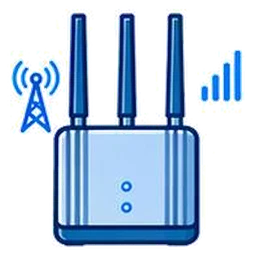
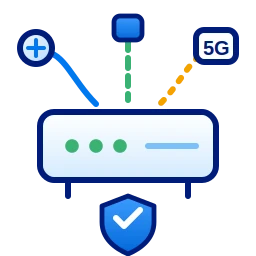
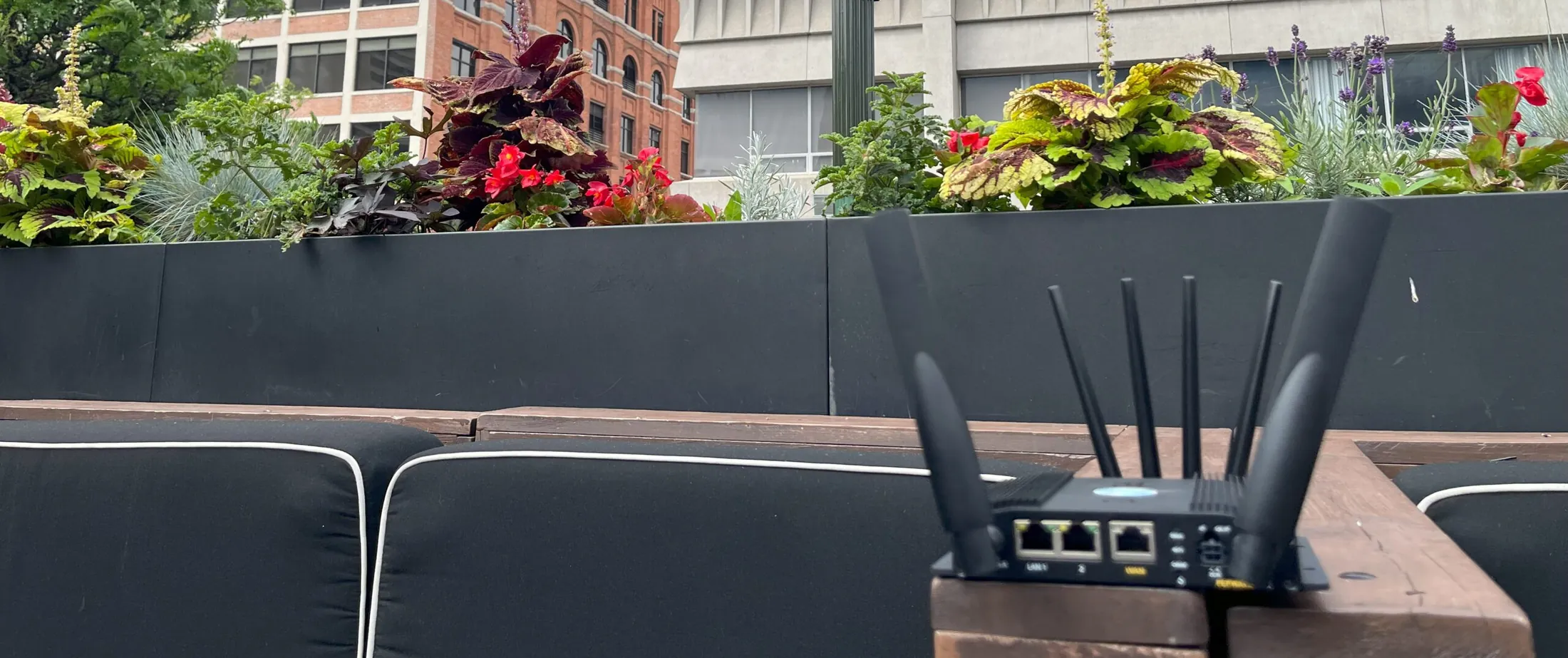
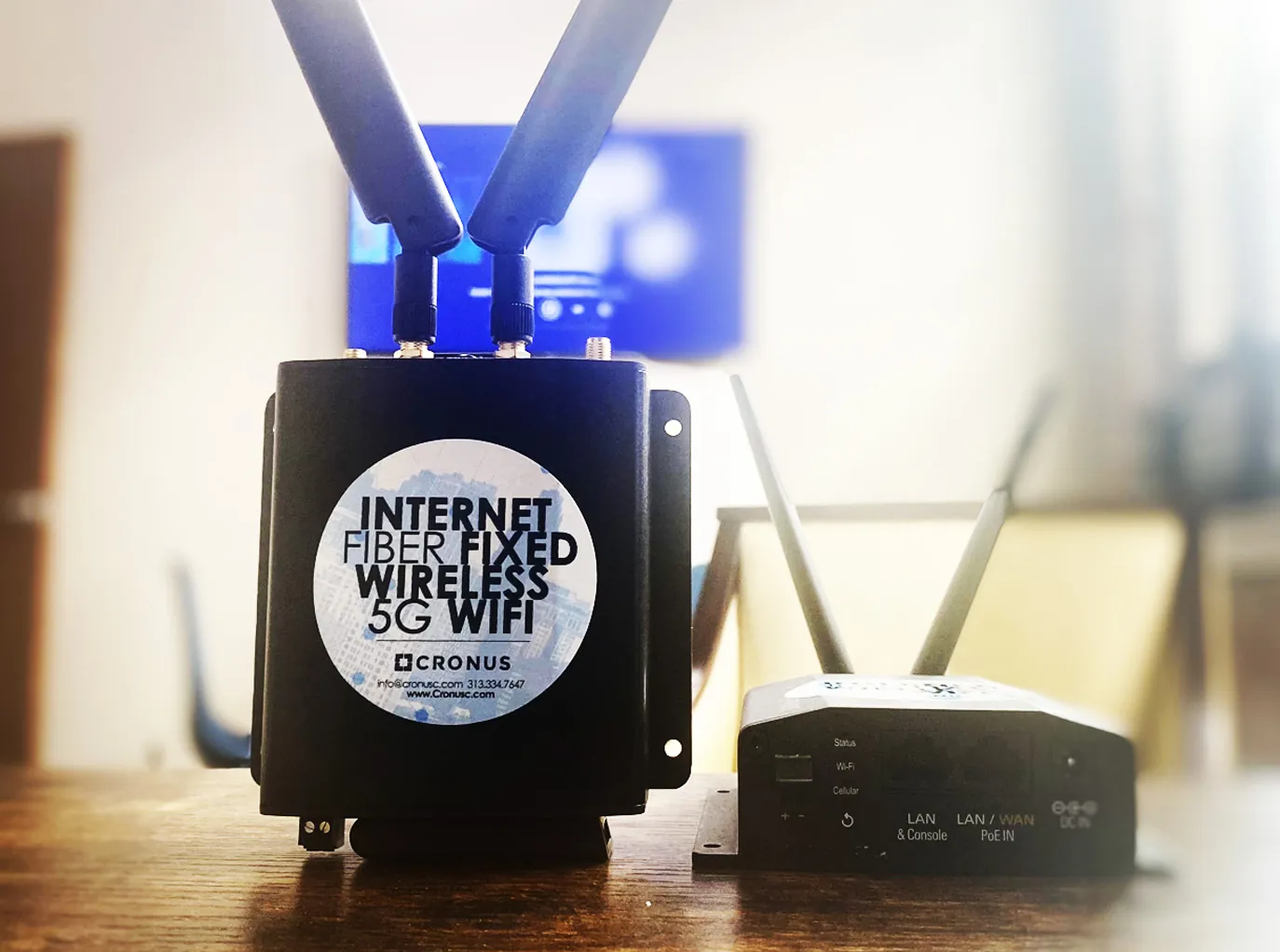
A business-grade router with one or more cellular modems connects to nearby carrier towers. With SD-WAN, the router can bond several carriers or switch between them automatically, and combine cellular with a wired or fixed wireless line.
Where 5G and LTE Work Best
- Automatic backup for fiber, cable or fixed wireless.
- Pop-up shops and events that need internet in a day.
- Construction trailers before permanent service is available.
- Kiosks, vehicles and mobile operations.
- New locations waiting for fiber installation.
Limits to Understand
- Speeds depend on local coverage and how busy the tower is.
- Data plans may have caps or slow down after heavy use.
- Indoor signal can be weak without external antennas.
- Latency is usually higher than fiber or fixed wireless.
5G vs Fixed Wireless
| 5G / LTE | Business fixed wireless | |
|---|---|---|
| Capacity | Shared with phones | Reserved for your business |
| Speed consistency | Varies | Consistent |
| Deploy time | Same day | Days |
| Best use | Backup, temporary, mobile | Primary or backup |
For a permanent primary connection, fixed wireless or fiber is usually better. For backup and fast deployment, 5G SD-WAN is hard to beat.
Choosing the Right 5G Router
- Supports multiple carriers or dual SIMs for coverage options.
- Can combine cellular with wired or fixed wireless connections.
- Supports external antennas for better indoor signal.
- Allows remote monitoring and management.
- Handles automatic failover without dropping calls.
Consumer hotspots are not built for business use. A business-grade router is more reliable, more secure and easier to support.
5G for Business Use Cases
| Use case | Why 5G works |
|---|---|
| Backup for main internet | Different path from cable, fast switch-over |
| Pop-up retail and events | Online the same day, no construction |
| Construction trailers | Moves with the project |
| Kiosks and ATMs | Simple, reliable connectivity |
| Vehicles and mobile teams | Connectivity on the move |
Planning Data Usage
Cellular plans are often priced by data volume. As a backup, usage is usually small. As a primary connection, estimate monthly usage from your current connection before choosing a plan, and watch for plans that slow down after a usage threshold. A managed provider can monitor usage and alert you before you hit limits.
Getting the Most From Cellular
- Use a business router that supports multiple carriers.
- Add external antennas for better indoor signal.
- Pick data plans sized for your usage.
- Monitor the connection so problems are caught early.

Add 5G backup or temporary internet
Cronus ships, configures and monitors 5G SD-WAN routers.
Frequently Asked Questions
Is 5G good enough for business internet?
For backup, temporary sites and mobile use, yes. For a permanent primary connection, fiber or fixed wireless is usually more consistent.
What is the difference between 5G and fixed wireless?
5G shares cellular capacity with phones; business fixed wireless uses dedicated point-to-point radios with reserved capacity.
Can 5G be a backup for my internet?
Yes. An SD-WAN router can switch to 5G automatically when your main connection fails.