




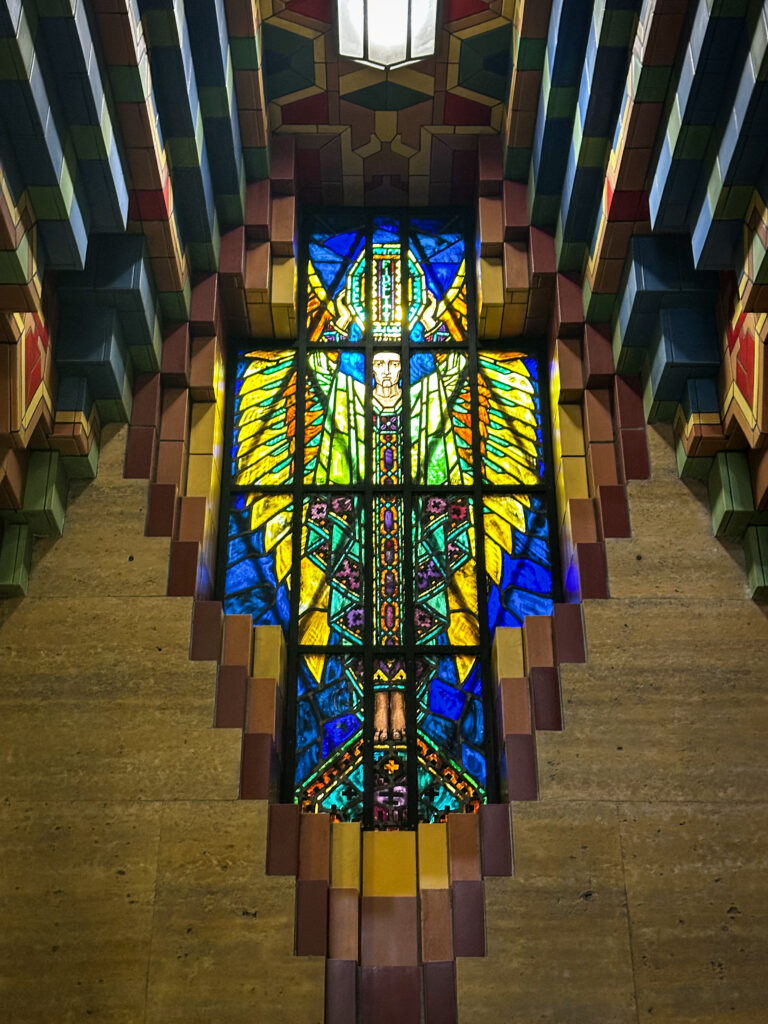
Sunday morning doesn’t look the way it did a decade ago. In Detroit and across the country, congregations now gather in two places at once: in the sanctuary and on screens. Members stream services from home, give through apps, and stay connected to their church community all week long. None of it works without reliable internet.
This guide breaks down how Detroit churches are using connectivity to power hybrid worship, deepen community engagement, and reach new members, and how partnering with a local provider like Cronus Internet gives your ministry the infrastructure to do it well.
The Rise of Hybrid Church Services
The shift to hybrid worship happened fast, and it stuck. According to Lifeway Research, 45% of Americans say they have watched a Christian church service online, including many who don’t normally attend in person. Before 2020, more than 2 in 5 pastors didn’t put any portion of their service online. Within two months of the pandemic’s start, 97% of churches were providing some type of online video content each week.
That reach has proven durable. Pew Research Center found that 27% of U.S. adults regularly watch religious services online or on TV, and 17% of Americans now worship both ways, attending in person while also watching virtually. For Detroit churches, hybrid services aren’t a temporary accommodation. They are a permanent extension of the congregation.
Streaming Technology and Remote Participation
A livestream is only as good as the connection behind it. Streaming guidance from Restream recommends an upload speed of roughly 4 to 10.8 Mbps for a 1080p broadcast, and that’s for a single, uninterrupted stream. Add a backup stream, multiple camera feeds, or simultaneous broadcasts to YouTube and Facebook, and the requirements multiply.
Upload speed is the number that matters most, and it’s exactly where consumer-grade connections fall short. Many residential plans offer fast downloads but throttled uploads, which produces the frozen frames and dropped audio that push online viewers away. Symmetrical business-grade service, like Cronus Internet’s fiber internet, delivers the consistent upload capacity a weekly broadcast demands.
Remote participation matters because viewers keep coming back. Lifeway Research found nearly 2 in 5 Protestant churchgoers (39%) watched a livestream service instead of attending in person on more than five occasions over the past year. Homebound members, traveling families, and first-time visitors checking out your church all depend on that stream working every single week.
Online Giving and Digital Engagement
Hybrid ministry extends to stewardship. Churches that accept online giving see a 32% increase in overall donations, according to data compiled by Nonprofits Source, and roughly 60% of churchgoers say they’re willing to give digitally. Text-to-give, recurring donations, and app-based giving all require a secure, dependable connection at the church office and reliable WiFi in the sanctuary for members giving from their phones during service.
Community Outreach Through Technology
A church’s mission doesn’t stop at the sanctuary doors, and neither does its network. Detroit congregations use connectivity to serve neighborhoods all week long, from food pantry coordination to after-school tutoring.
Social Media Ministry and Communication
Between Sundays, social media is where congregations stay in conversation. Posting sermon clips, event announcements, prayer requests, and livestream links keeps members engaged and gives newcomers a low-pressure way to explore your community before they ever walk through the door. Uploading video content consistently, especially sermon archives, requires the same dependable upload bandwidth as streaming itself. During the pandemic, 76% of churchgoers said their church posted a video of the worship service to watch later, and on-demand sermon content remains a core part of digital ministry today.
Educational Programs and Online Classes
Bible studies over video call, virtual small groups, online youth programming, and community classes hosted in fellowship halls all lean on the church’s network. Many Detroit churches also open their buildings to the neighborhood as community hubs, hosting job training, senior programs, and after-school activities that depend on public WiFi. Cronus Internet’s public spaces solutions are built for exactly this kind of high-traffic community environment, serving community centers, parks, and gathering places across Metro Detroit.
Technical Infrastructure for Churches
Churches present a unique networking challenge: a building that sits mostly quiet all week, then hosts hundreds of simultaneous users for a few peak hours on Sunday. Infrastructure has to be built for that spike, not the average.
Sanctuary WiFi and Streaming Equipment
A well-planned church network separates traffic into distinct lanes: a dedicated, prioritized connection for the livestream encoder, a staff network for office and giving systems, and guest WiFi for the congregation. Quality of Service (QoS) settings ensure the broadcast never competes with hundreds of phones for bandwidth.
Detroit churches planning an upgrade should target these benchmarks:
- Dedicated upload bandwidth of at least 10 to 20 Mbps reserved for streaming, with headroom for backup streams
- Segmented networks separating streaming, staff, and guest traffic
- Multiple access points to cover sanctuaries, fellowship halls, and classrooms without dead zones
- A service level agreement guaranteeing uptime, because Sunday morning has no do-overs
- Scalable capacity for holidays like Easter and Christmas, when both in-person and online attendance spike
For historic church buildings where trenching fiber isn’t practical, Cronus Internet’s fixed wireless service delivers speeds up to 10 Gbps with no construction required, an ideal fit for Detroit’s many older sanctuaries. As the first and only privately held internet service company based in Detroit, Cronus has served the city’s businesses, venues, and community spaces since 2008.
Ready to build a network your congregation can count on? Contact Cronus Internet for a custom quote and get a connectivity plan designed around your ministry.
Member Engagement and Growth
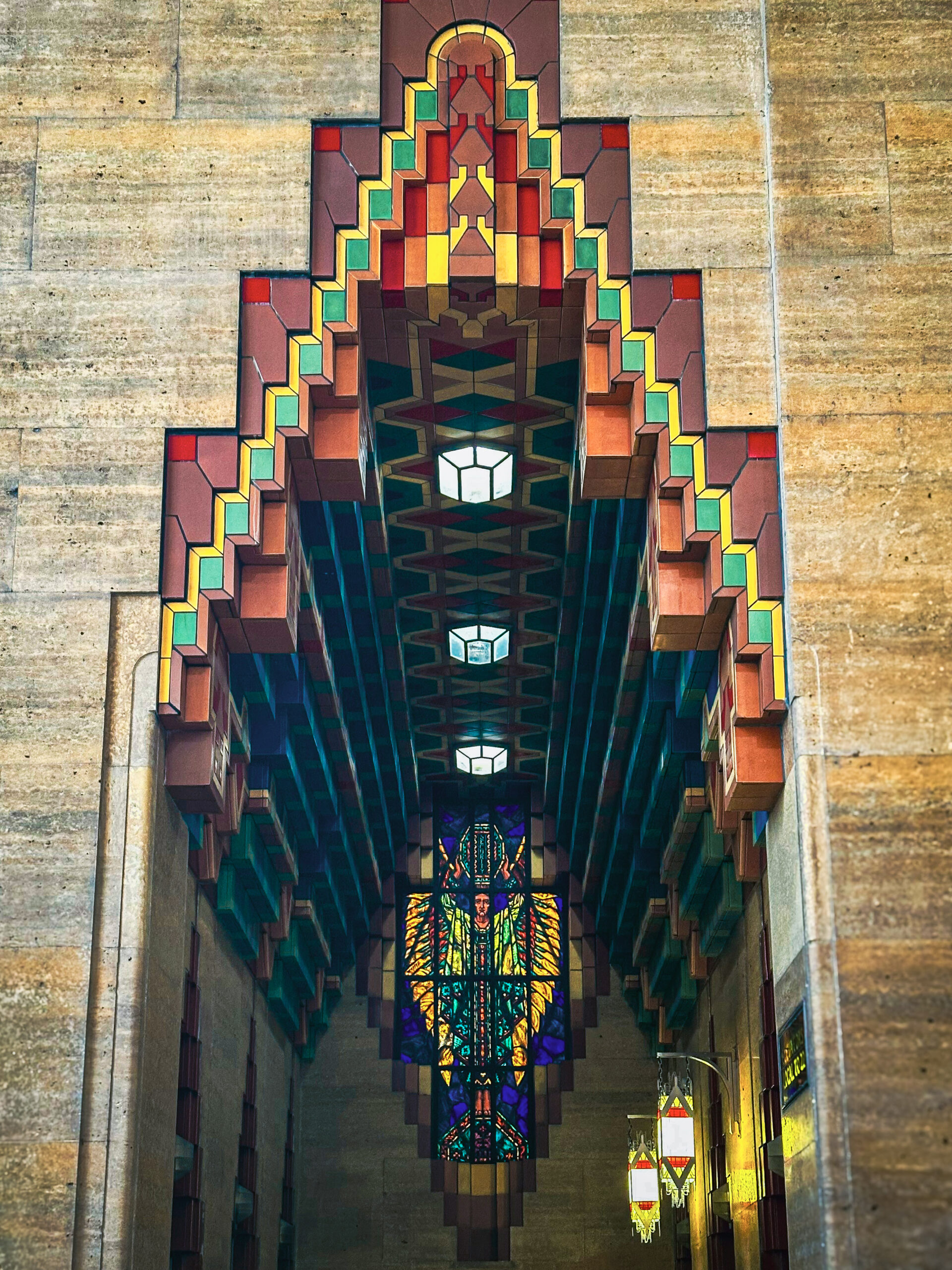
Technology doesn’t replace community. It extends it. Members who engage with their church digitally between Sundays, through streams, groups, giving, and social content, stay more connected to the life of the congregation.
Reaching Younger Demographics
Here’s the encouraging news for Detroit churches: young people are showing up. New Barna Group data shows Gen Z now leads all generations in church attendance, attending roughly 15 to 25 times per year, with millennials close behind. These are digital natives who discover churches through social media, watch a livestream before visiting, and expect working WiFi and online giving when they arrive
Meeting younger members where they are means investing in the digital front door. A choppy stream or a broken giving link is often their first impression of your church. Reliable infrastructure makes sure that impression reflects the community waiting inside. For more on how Detroit organizations are strengthening their connectivity, visit the Cronus Internet news page.
Church Technology Planning Guide
Use this checklist to plan your church’s connectivity upgrade:
- Audit your current connection. Run speed tests during peak Sunday usage, and pay special attention to upload speed.
- Map your needs. Count simultaneous streams, giving kiosks, staff devices, and expected guest WiFi users on your busiest Sunday of the year.
- Prioritize upload bandwidth. Streaming, video uploads, and cloud backups all depend on it.
- Segment your network. Keep the livestream, staff systems, and guest WiFi on separate lanes.
- Plan for growth. Choose a provider that can scale bandwidth as your online congregation grows.
- Get local support. When something goes wrong at 9:45 AM on Sunday, you need a provider who answers.
Frequently Asked Questions: Church Internet in Detroit
What internet speed does a church need to livestream services?
Plan for at least 10 to 20 Mbps of dedicated upload bandwidth for a reliable 1080p stream, with additional headroom if you run backup streams or broadcast to multiple platforms at once. Total capacity should also account for guest WiFi and staff systems running simultaneously during services.
Why is consumer internet not enough for church streaming?
Consumer plans typically offer limited upload speeds and no uptime guarantees. Livestreaming is upload-intensive, and a Sunday service can’t be rescheduled if the connection drops. Business-grade service provides symmetrical speeds, a service level agreement, and priority support.
Can historic church buildings get high-speed internet without construction?
Yes. Fixed wireless internet delivers enterprise-grade speeds up to 10 Gbps through a wireless connection between two fixed points, with no trenching or construction required. This makes it well suited to Detroit’s older sanctuaries where fiber installation may be difficult or costly.
Does online worship reduce in-person attendance?
Research suggests it doesn’t. Pew Research Center data shows that among Americans who worship both in person and online, roughly three-quarters still prefer attending in person. Online services primarily extend a church’s reach to homebound members, travelers, and newcomers exploring the congregation.
How does better internet support church giving?
Digital giving depends on connectivity, from online donation pages to text-to-give and in-service mobile giving over sanctuary WiFi. Churches that offer online giving options see a meaningful increase in overall donations, and reliable infrastructure ensures those tools work every time a member is ready to give.
Why should Detroit churches choose a local internet provider?
Local providers offer faster on-site response, familiarity with Metro Detroit’s buildings and infrastructure, and a direct relationship national carriers can’t match. Cronus Internet has served Detroit since 2008 and understands the connectivity challenges of the city’s churches, community centers, and gathering spaces.
The Bottom Line on Church Internet in Detroit
Hybrid worship, digital giving, social ministry, and community programming all run on the same foundation: a network your congregation can trust. With 45% of Americans having worshiped online and younger generations engaging with faith through digital channels first, connectivity is now part of ministry itself.
Whether you’re launching your first livestream or upgrading a network that’s outgrown its equipment, Cronus Internet brings the local expertise, enterprise infrastructure, and Sunday-morning reliability that Detroit churches deserve. Request a quote today and build a connected community that reaches people wherever they are.