







































Cronus Internet

Mixed-Use Property Internet: Unified Solutions for Diverse Tenants

mixed use property internet

One building. A coffee shop on the ground floor, professional offices on the middle floors, and apartments up top. Every tenant expects flawless internet, and every one of them uses it completely differently. For a Detroit developer or property owner, delivering reliable mixed use property internet across all of them is one of the trickiest parts of running a modern building.


Get it right and connectivity becomes an amenity that attracts tenants and strengthens your bottom line. Get it wrong and you field complaints from every floor at once.


This guide breaks down the connectivity needs of each tenant type, how to architect one network that serves them all, the revenue models available to owners, and why Detroit’s development boom makes this more relevant than ever. Cronus Internet works with Detroit property owners to make it happen.


The Connectivity Challenge of Mixed-Use Buildings

A mixed-use building is really several businesses stacked on top of one another, each with its own internet profile. A single connection type rarely satisfies all of them at once.


Retail Ground Floor Requirements

Retail tenants depend on connectivity for point-of-sale systems, card processing, and increasingly cloud-based inventory and security cameras. A slow or dropped connection at the register means lost sales and frustrated customers.


Ground-floor retail also serves the public, so guest WiFi and dependable payment processing sit at the center of the operation. Cronus Internet’s experience with public spaces and shared environments translates directly to retail-heavy ground floors.


Retail needs can also vary widely within the same building. A quick-service cafe runs a handful of registers and a card reader, while a boutique fitness studio may stream class content, run check-in kiosks, and offer member WiFi. Planning for the busiest retail use case protects every ground-floor tenant.


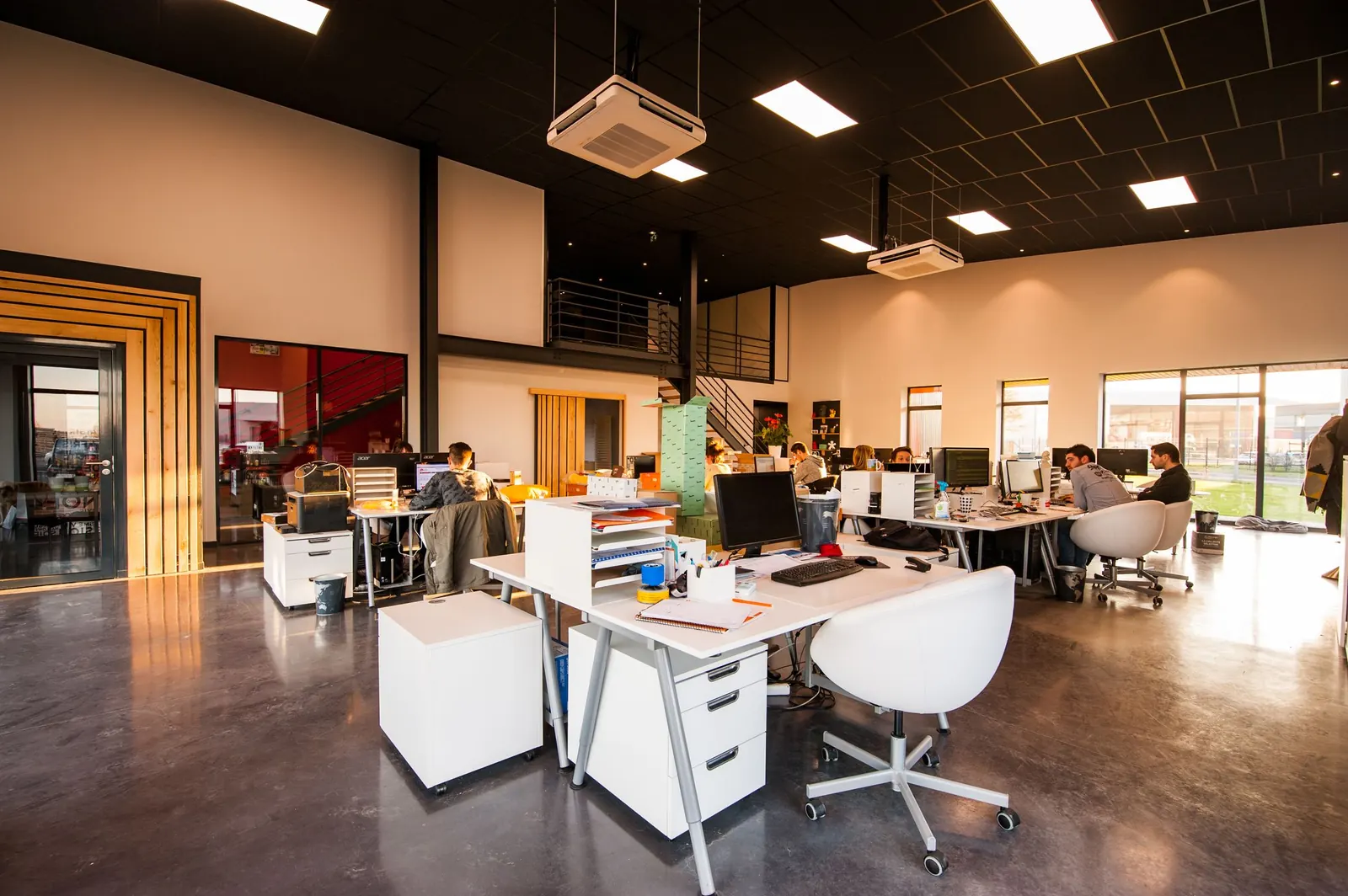
Office Tenant Professional Demands

Office tenants run on the cloud. Video conferencing, file sharing, voice over IP phones, and software-as-a-service applications all demand steady bandwidth and low latency throughout the workday.


For professional tenants, internet quality is not negotiable. A dropped client call or a frozen screen during a presentation reflects on both the tenant and the building. Business-grade connectivity with dedicated bandwidth options is the baseline, which is why many owners provide business internet for their commercial floors.


Residential High-Speed Expectations

Residential tenants may have the highest expectations of all. High-speed internet ranks among the most important features renters look for. According to the National Multifamily Housing Council, 90 percent of renters surveyed in 2024 said they were interested in or would not rent without high-speed internet, placing it among the top apartment features overall.


Residents stream, game, work from home, and run smart devices, often several at the same time. A building that meets this expectation keeps its units leased. Our look at how WiFi amenities reduce apartment turnover explores the resident side in more depth.


Network Architecture for Shared Buildings

Serving three tenant types from one building does not mean one flat network. It means one well-designed infrastructure with smart separation built in.


Tenant Segmentation and Security

Each tenant, and often each unit, needs its own secure, isolated segment of the network. A retail tenant’s payment system should never share a network with a resident’s laptop or a neighboring office’s confidential files.


Segmentation through separate virtual networks and secured access protects every tenant and simplifies management. It also lets the owner offer guest WiFi in common areas without exposing tenant traffic. A fiber internet backbone provides the capacity to keep each segment fast and independent.


Bandwidth Allocation Strategies

Different tenants peak at different times. Offices are busiest during the day, retail through business hours and into the evening, and residents in the evening and on weekends.


A well-planned network allocates bandwidth so no single tenant type starves the others, using quality-of-service rules to prioritize time-sensitive traffic like voice and video. Where fiber is not immediately available, fixed wireless can deliver high-capacity service with rapid deployment.


Sizing matters as much as allocation. A network built only for today’s occupancy will strain as the building fills and as each tenant adds devices. The right approach provisions generous headroom up front and leaves a clear path to scale, so a fully leased building performs as well as a half-empty one.


Revenue Models for Property Owners

Internet is not only an expense to manage. Handled well, it becomes a source of revenue.


Bulk Internet Agreements

Under a bulk internet agreement, the property owner contracts with a single provider to serve the whole building, often at a discounted rate, and offers service to tenants as part of rent or as an amenity. The National Apartment Association notes that bulk internet agreements can be advantageous for residents, providers, and housing operators alike, helping secure discounted rates and reduce costs.


For owners, this model turns connectivity into a predictable, building-wide service rather than a patchwork of individual tenant contracts.


Tenant Billing and Amenity Packages

Owners can package internet with other services and bill tenants directly, creating a new revenue line. Cronus Internet’s multi-dwelling unit internet solutions are built for exactly this, giving property managers a way to offer tenants reliable service while opening an additional revenue source.


Marketed as a managed amenity, high-speed internet becomes a selling point that supports both leasing and net operating income.


The economics are compelling on the residential side in particular. Because reliable connectivity ranks so high among renter priorities, a building known for great internet fills faster and holds tenants longer, and the amenity fee itself adds a recurring line to the rent roll. Fewer vacancies and a new revenue stream reinforce each other.


mixed use property internet


Detroit’s Mixed-Use Development Boom

The timing could not be better. Detroit is in the middle of a mixed-use building surge.


Much of the momentum centers on Corktown, where Ford’s Michigan Central project has anchored a wave of new development. The State of Michigan has highlighted multiple mixed-income and mixed-use housing projects rising in the neighborhood alongside commercial space, all within steps of Michigan Central Station.


Midtown and Corktown Project Considerations

New mixed-use projects in Corktown and Midtown combine ground-floor retail, office or innovation space, and residential units in a single footprint. That is precisely the environment that demands unified connectivity planning from day one.


For developers, the lesson is to plan the network during design, not after. Running conduit and fiber pathways during construction is far cheaper than retrofitting a finished building. Cronus Internet works with owners and developers early in the process.


Midtown and Corktown also present distinct building conditions. Historic structures being converted to mixed use bring thick masonry walls and unusual floor plans that can block wireless signals, while new ground-up construction offers a clean slate to design connectivity into the blueprint. A local provider that knows Detroit’s building stock can recommend the right approach for each.


Future-Proofing Your Building’s Infrastructure

Technology demand only grows. The building you wire today should still perform a decade from now.


Fiber is the foundation of a future-proof building because it scales far beyond current needs, and it adds measurable value. According to the Fiber Broadband Association, fiber connectivity is associated with higher property values and rents, with research pointing to rents roughly 12.8 percent higher at properties served by fiber.


A future-ready mixed-use network typically includes:


  • A fiber backbone sized well above current demand
  • Segmented, secure networks for each tenant type
  • Managed WiFi across units and common areas
  • Scalable bandwidth that grows with occupancy
  • A local provider offering on-site support and proactive monitoring


Cronus Internet, the first and only privately held internet service company based in Detroit, helps owners build infrastructure that lasts. For more on connectivity trends affecting Detroit properties, visit the Cronus Internet news page.


Mixed-Use Connectivity Plan

Planning a mixed-use building or upgrading an existing one? Contact Cronus Internet for a mixed-use connectivity assessment, or request a quote to design one network that serves every tenant.


Frequently Asked Questions: Mixed-Use Property Internet

What is mixed-use property internet?

It is a connectivity solution designed to serve the different tenant types in a single building, including retail, office, and residential, over one well-architected network with secure separation for each tenant.


How do you provide internet to retail, office, and residential tenants in one building?

Through a shared fiber or fixed wireless backbone divided into secure, isolated segments for each tenant type, with bandwidth allocation and quality-of-service rules so no tenant’s traffic interferes with another’s.


Can internet be a source of revenue for property owners?

Yes. Owners can enter bulk internet agreements or bill tenants for managed service as an amenity, creating a new revenue line. The National Apartment Association notes bulk agreements can lower costs for residents while benefiting operators.


Why is tenant network segmentation important in mixed-use buildings?

Segmentation keeps each tenant’s data isolated and secure. A retail payment system, an office’s confidential files, and a resident’s devices should never share the same network segment, both for security and for reliable performance.


What internet infrastructure is best for a mixed-use building?

A fiber backbone offers the highest capacity and scales for the future. Where fiber is not yet available, fixed wireless provides a high-capacity alternative with faster deployment. Many buildings combine these with a multi-dwelling unit solution for full coverage.


Why use a local Detroit provider for a mixed-use property?

A local provider offers faster on-site support, familiarity with Detroit’s building stock, and early involvement in development planning. Cronus Internet has served Detroit businesses and property owners since 2008.


The Bottom Line on Mixed-Use Property Internet

A mixed-use building succeeds when every tenant, from the ground-floor shop to the top-floor apartment, gets connectivity that simply works. That takes one thoughtfully designed network rather than three competing ones.


With Detroit’s development boom in full swing, owners who plan connectivity early gain an amenity that attracts tenants, supports net operating income, and future-proofs the building. Cronus Internet brings the local expertise and infrastructure to make it happen. Request a quote today and build one network that serves every tenant under your roof.